

 Instant Booking
US$ 1520.00
16 Days
Everest Regions
Mar-May & Sep-Nov
Challenging
5,364m
Trekking
Car | Jeep | Flights
Highlight
- World’s highest airport at Syangboche (3,780m / 12.402ft)
- Chance to explore the culture and lifestyles of the local Sherpa people
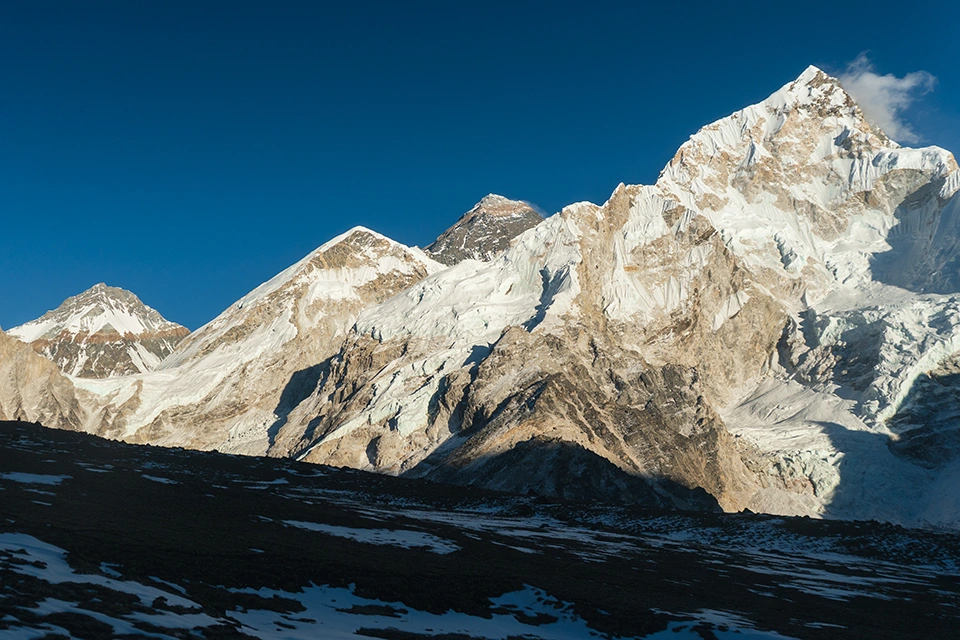
- The magnificent views of the world’s highest peak, 8,848.68m/29,029 ft.
- Views of other peaks such as Mt. Lhotse(8,516m), Cho Oyu (8,201m) and Mt. Makalu (8,463m)
- Explore Sagarmatha National Park
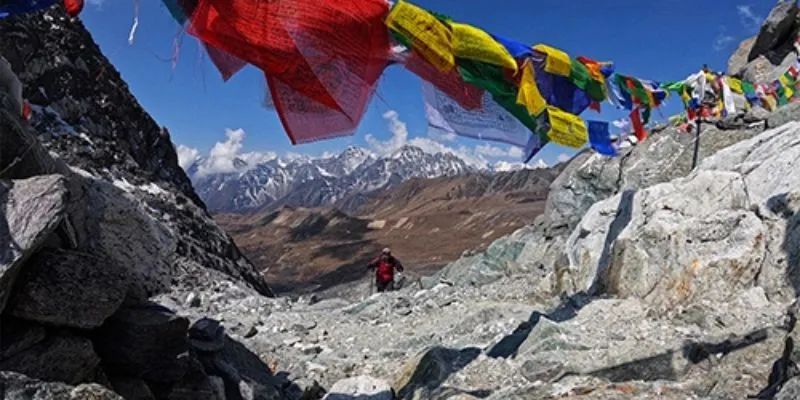
- Prayer wheels, colorful flags, Mani stones, high suspension bridges
- Wide range of flora and fauna
- Ancient monastery in Tengboche (3,867m / 12,687ft)
- Wildlife like musk deer, colorful pheasants, snow leopards, and Himalayan Tahrs
- Highest glacier on Earth- Khumbu Glacier (4,900 m)
- Amazing panoramic views from Kala Patthar (5,555m)
Overview
The everest basecamp trek offers the perfect balance between the comfort of well-established trails and the untamed grandeur of the Himalayas. Situated in the heart of the Everest region, this iconic journey is known for its breathtaking scenery and the warm hospitality of the Sherpa people. This adventure not only leads you to the foot of the world’s highest peak, but also allows you to experience the rich cultural heritage and traditions of Nepal.
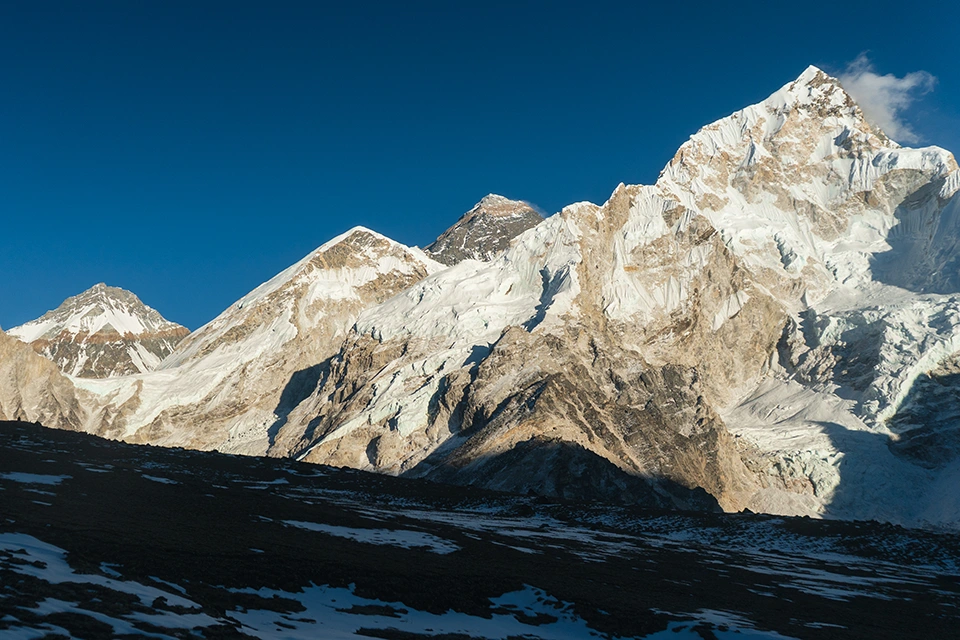
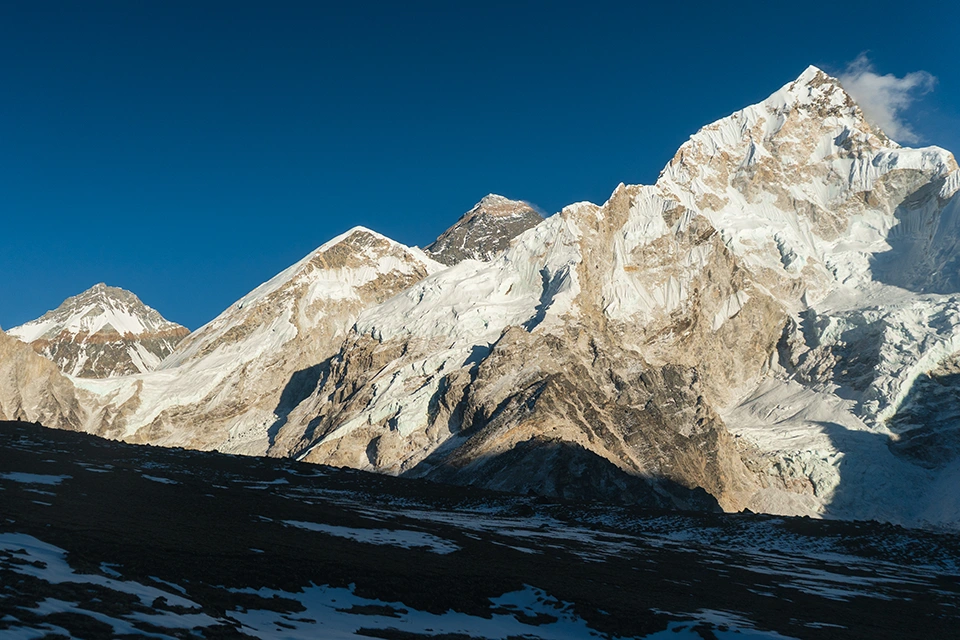
Over the course,everest basecamp trek 14 days trek takes you to an altitude of approximately 5,364 meters, offering sweeping vistas of several majestic 8,000-meter-high peaks. Along the trail, you’ll witness striking views of Pumori, Lhotse, Nuptse, Lobuche, and of course, the legendary Mount Everest itself.
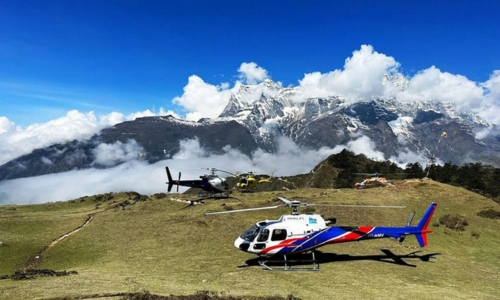
The journey begins with a scenic 35-minute flight from Kathmandu to Lukla during the months of January, February, June, July, August, and December. For departures in March, April, May, October, and November, the trek starts with a 5 to 6-hour drive from Kathmandu to Manthali, followed by a 20-minute flight to Lukla from Manthali/Ramechhap.
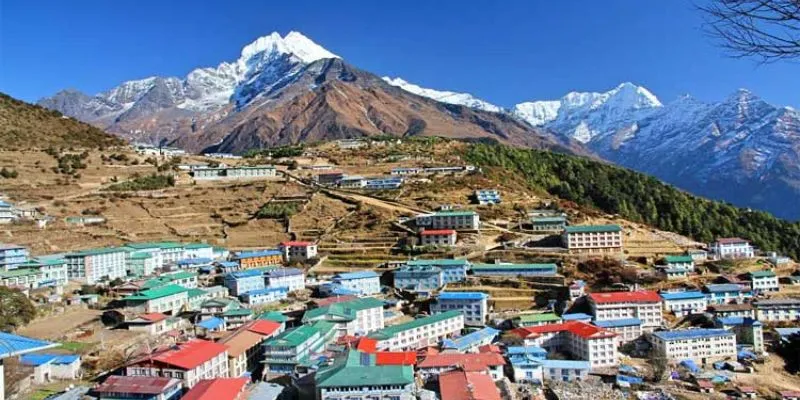
The everest basecamp trek starts and concludes in Lukla. The adventure kicks off by tracing the banks of the Dudh Koshi River, ascending gradually through the lush terrain of Sagarmatha National Park, en route to the bustling mountain town of Namche Bazaar. Known as the main commercial hub of the Everest region, Namche also serves as a vital acclimatization point for trekkers.
While the trail is physically demanding, the journey is constantly uplifted by the incredible scenery — passing through rich forests, terraced farmlands, and dramatic Himalayan landscapes. After a day spent acclimatizing in Namche, the trek continues onward to Tengboche. Here, you’ll visit the spiritual heart of the region, the Tengboche Monastery, set against a stunning mountain backdrop. The path then leads through Dingboche and onwards to Lobuche, with every step revealing awe-inspiring views of Lhotse, Nuptse, Makalu, Cho Oyu, Ama Dablam, and more.everest basecamp short trek.
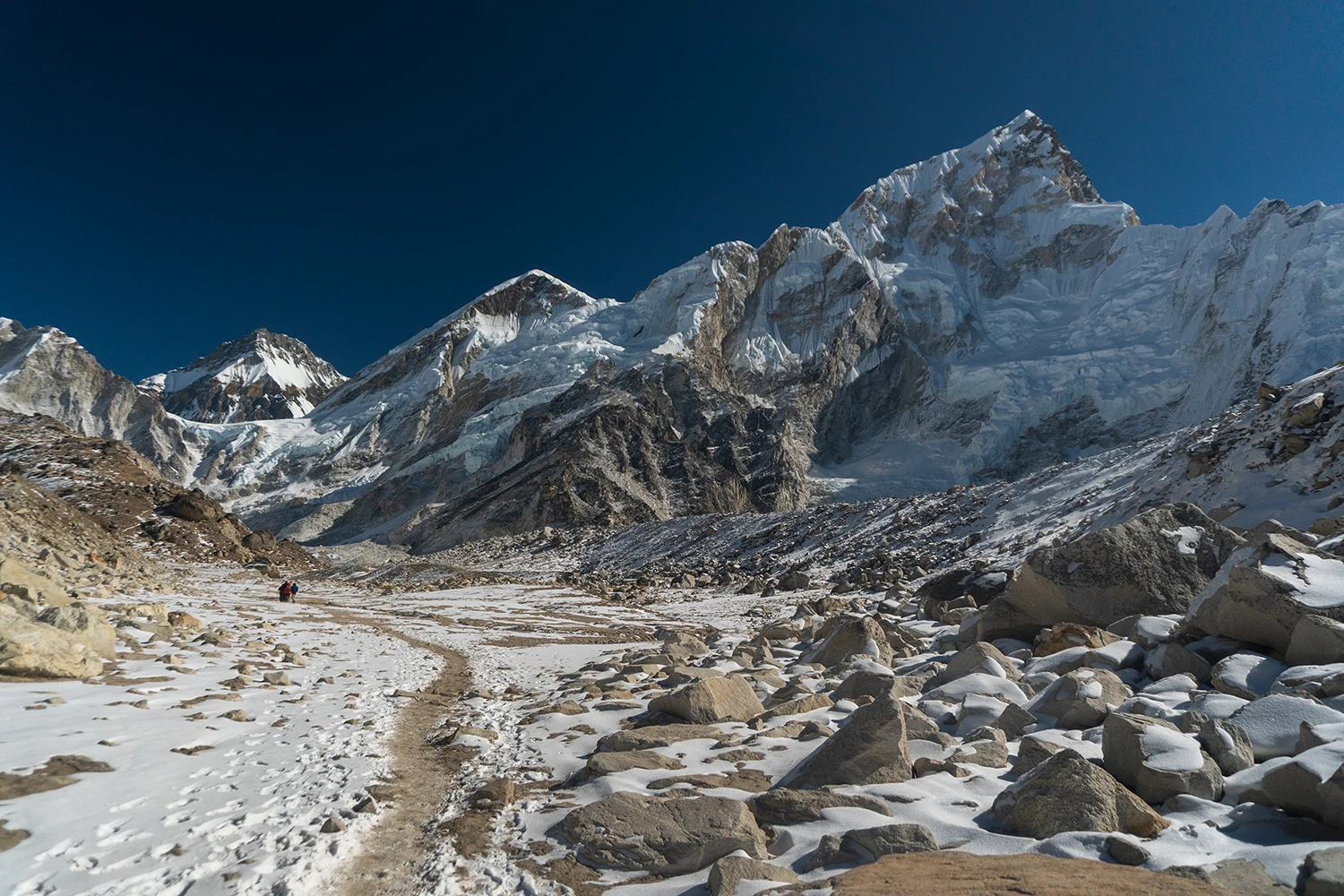
As the trek progresses, you’ll reach Gorakshep and follow the path beside the dramatic Khumbu Glacier—the deepest glacier in the world—until finally arriving at the legendary everest basecamp. After taking in the surreal beauty of the camp, you’ll return to Gorak Shep for an overnight stay.
The next morning begins with a climb to Kalapatthar, where you’ll witness a breathtaking sunrise over Mount Everest and the surrounding peaks. After soaking in the views, the trek descends back to Gorakhshep and continues down to Pheriche Village. From there, you retrace your route through Tengboche, walking once again through the serene forests of rhododendron and juniper, eventually arriving back at Namche Bazaar. The journey concludes as you return to Lukla, where a short flight brings you back to Kathmandu, completing this once-in-a-lifetime everest basecamp trek in Nepal.
Why choose the everest basecamp trek?
- Iconic Views: See Mount Everest up close, along with other towering peaks like Lhotse, Makalu, and Nuptse.
- Cultural Experience: Trek through traditional Sherpa villages, visit Buddhist monasteries, and immerse yourself in the unique culture and lifestyle of the Khumbu region.
- World’s Most Famous Trek: The everest basecamp trek is one of the most famous trekking routes in the world, attracting adventurers from all over the globe.
- Achieve the Dream: Reach everest basecamp trek itself and stand in the shadow of the world’s highest mountain—a lifelong dream for many trekkers.
Tips for the Trek
- Acclimatization: As you ascend to high altitudes, it’s important to take time to acclimatize and avoid altitude sickness.
- Pack Light but Smart: Bring lightweight, high-quality gear that can handle cold temperatures and rugged conditions, but avoid overpacking.
- Stay Hydrated: Drink plenty of water to help with acclimatization and avoid dehydration.
- Be Prepared for the Weather: The weather can change rapidly, so pack layers to stay warm and dry.
Best Season for Trekking
- Autumn (September to November): The best time to trek, with clear skies, stable weather, and stunning mountain views.
- Spring (March to May): Another great season with mild temperatures and blooming rhododendron forests. The weather is favorable, and it’s a popular season for trekkers.
- Winter (December to February): Although less crowded, trekking in winter can be extremely cold, especially at higher altitudes.
- Monsoon (June to August): Not ideal due to heavy rainfall, slippery trails, and an increased risk of landslides.
Additional Information
Trek Preparation / Gear Packing FAQs :
Q: Who will carry my main luggage? Is a porter provided on the Everest Base Camp trek?
A: Yes. Porters can carry up to 15–20 kg of your main luggage. Your daypack carries essentials.
Q: What is the weight limit for the Lukla flight on the Everest trek?
A: Lukla flights have a weight limit of 15 kg per person including your daypack. Excess luggage can be carried by porters.
Q: What equipment is needed for Everest Base Camp?
A: Trekking boots, down jacket, thermal layers, sleeping bag, trekking poles, water bottles, and personal first aid kit are recommended.
Q: Can I store my extra luggage in Kathmandu?
A: Yes. Himalayan Elite offers secure storage at the hotel or office.
Q: Do you provide any trekking gear for use?
A: We provide some gear, such as sleeping bags, down jackets, and duffle bags, on request.
Q: Will I get a trip certificate after my Everest Base Camp Trek?
A: Yes. Himalayan Elite Treks provides a personalized certificate of achievement upon completion.
Itinerary for Everest Basecamp Trek
- Upon your arrival in Kathmandu (Altitude: 1,400m), our office representative will greet you at the airport and drive you to the hotel (approximately 45 minutes).
- We will conduct a brief orientation about your trekking trip, covering important details such as accommodation, inclusions, exclusions, and more.
- In the evening, you can explore nearby trekking gear shops to pick up any necessary equipment or supplies you may have forgotten to bring.
- You’ll spend the night at the hotel in Kathmandu
- We’ll drive to the domestic airport early in the morning (about 30 minutes) for a 35-minute flight to Lukla (Altitude: 2,860m), followed by breakfast at a teahouse.
- After breakfast, we’ll trek to Phakding (Altitude: 2,610m), located by the riverside. The trail crosses the Dudhkoshi River and passes through Pine and Hemlock forests, leading to our overnight camp (approximately 5-6 hours).
- In the morning, we’ll have breakfast before starting our trek to Namche (Altitude: 3,440m). The trail features a suspension bridge crossing the Dudh Koshi River and winds through Pine and Rhododendron forests (approximately 5-6 hours).
- Interesting Fact: The Rhododendron is the national flower of Nepal.
- Along the way, we'll pass through Sherpa villages like Monjo and Jorsale, gaining insight into the local lifestyle.
- We’ll spend the night at a teahouse or lodge in Namche.
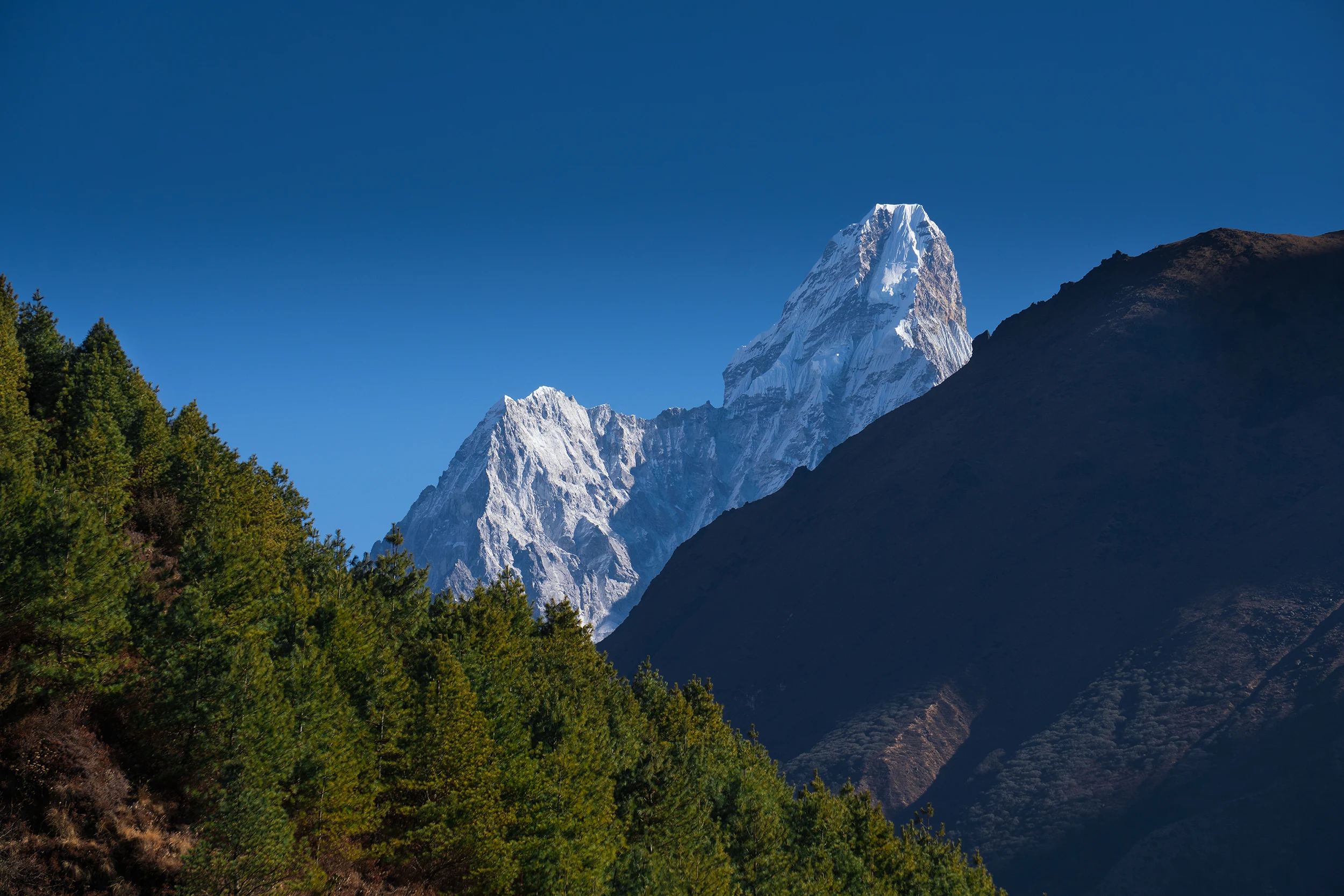
- In the Morning, after having breakfast the trail leads you towards Tengboche (Alt. 3863m) getting to see the panoramic view of mountains, mane wall, and WOW view of Mount Ama Dablam (Ht. 6812m) which is one of the most beautiful mountains in the Everest region.
- We’ll then visit and explore the Tibetan Buddhist Monastery for the Sherpa Community of the Khumbu region, the largest Monastery in the Everest region.
- We’ll hike up to the trail slowly between Mt. Ama Dabla, Mt. Lhotse Nuptse, and the other highest mountains.
- Overnight at Teahouse/Lodge at Tengboche after approx. 5/6hrs of Trek.
- After breakfast in the morning, we’ll start our trek to Dingboche (Alt. 4360m) with a wilderness trail. Dingboche is a high-altitude Sherpa Village in the Khumbu area. We’ll get to see many Chortens, Mani Walls, and Sherpa Village with stunning and spectacular views of Mt. Ama Dablam and other mountains.
- On the way, we’ll see a farming field surrounded by stone to protect from yak and other animals found in this area. Mainly People grow Barley, Buckwheat, and potatoes in this area.
- Overnight at Teahouse/Lodge at Dingboche after approx. 5/6hrs of Trek.
- Today is an acclimatization day, allowing your body to adjust to the higher altitude.
- We'll spend the day exploring the area to prepare for trekking at an altitude of around 5,000 meters the next day.
- In the morning, we’ll trek to Lobuche (Altitude: 4,931m) following the Khumbu drainage, with the trail leading to the vast Khumbu Glacier.
- As we cross Thukla Pass (Altitude: 4,615m), we’ll pass a memorial honoring climbers who lost their lives in the Everest region.
- We’ll spend the night at a teahouse or lodge in Lobuche after approximately 5-6 hours of trekking.
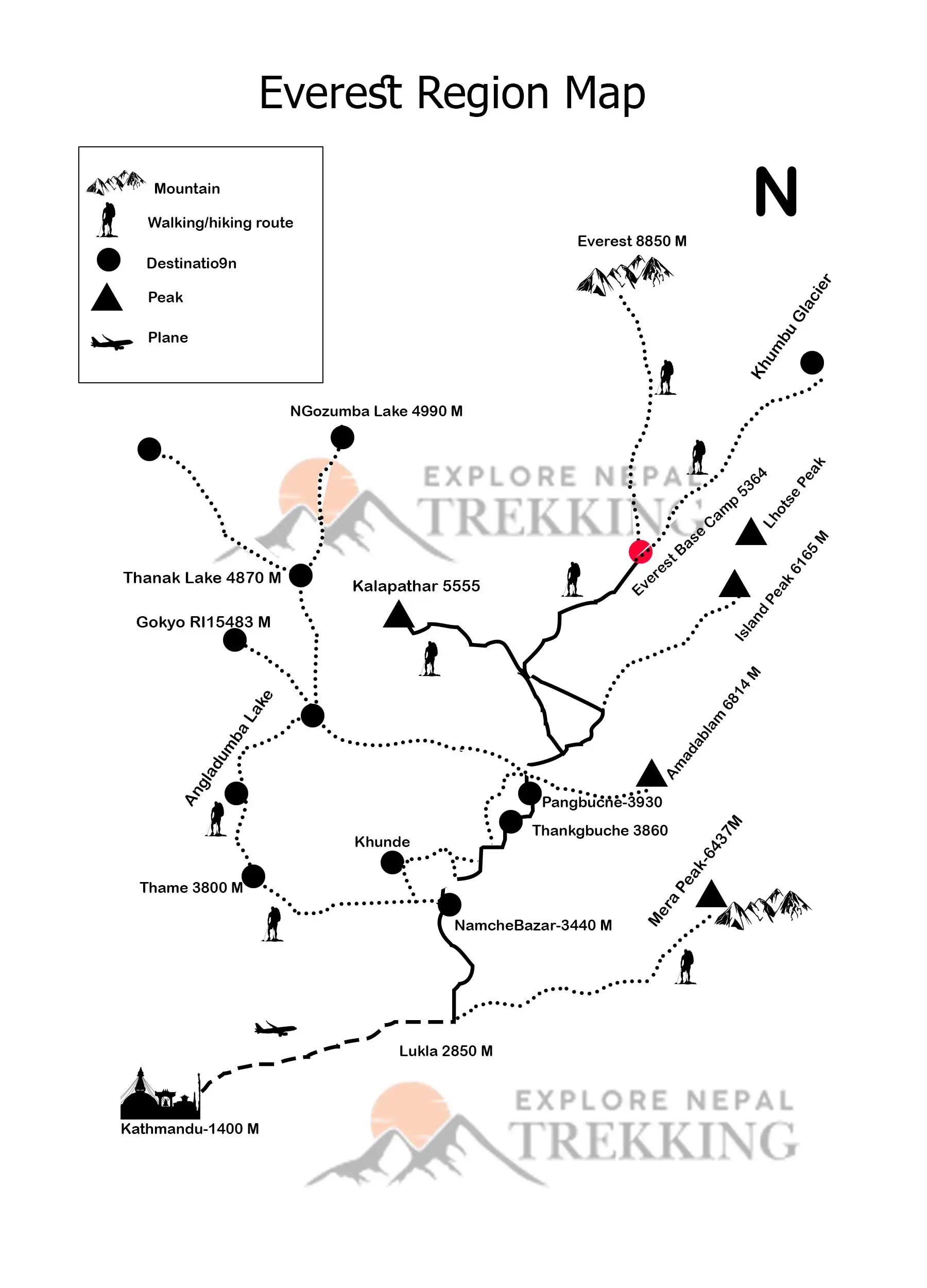
Route Map
Cost Included
- Accommodation in the teahouse or lodge during the trek.
- Two-night hotel accommodation in Kathmandu at Hotel M Square or similar.
- All the meals (Breakfast, Lunch, Dinner)
- One experienced English-speaking guide.
- One Porter for two trekkers.
- The airport picks up and drops.
- Sleeping Bag with liner.
- Trekking Permit, National Park Permit, and other necessary permits.
- Airfare to travel from Kathmandu-Lukla-Kathmandu.
Cost Excluded
- All the personal nature expenses, bar bills, laundry, water, travel insurance, beverage, phone calls, internet, and heater during the trek.
- Extra Tips for the Guide, Porter.
- Helicopter rescue.
- Personal Trekking equipment and rescue operation in case of emergency.
- All the expenses which arise due to a change of itinerary because of a landslide, political trouble, strike, or lockdown.
- All the Lunch and Dinner in Kathmandu.
- International airfare.
Fixed Departure
| # | Date | Cost | Size | Status | Action |
|---|---|---|---|---|---|
No departures foundTry selecting a different month |
|||||
Equipments
Trek Preparation / Gear Packing FAQs :
Q: Who will carry my main luggage? Is a porter provided on the Everest Base Camp trek?
A: Yes. Porters can carry up to 15–20 kg of your main luggage. Your daypack carries essentials.
Q: What is the weight limit for the Lukla flight on the Everest trek?
A: Lukla flights have a weight limit of 15 kg per person including your daypack. Excess luggage can be carried by porters.
Q: What equipment is needed for Everest Base Camp?
A: Trekking boots, down jacket, thermal layers, sleeping bag, trekking poles, water bottles, and personal first aid kit are recommended.
Q: Can I store my extra luggage in Kathmandu?
A: Yes. Himalayan Elite offers secure storage at the hotel or office.
Q: Do you provide any trekking gear for use?
A: We provide some gear, such as sleeping bags, down jackets, and duffle bags, on request.
Q: Will I get a trip certificate after my Everest Base Camp Trek?
A: Yes. Himalayan Elite Treks provides a personalized certificate of achievement upon completion.
FAQs Section
Himalayan Elite Treks is a trusted trekking company with years of experience guiding trekkers safely to Everest Base Camp. Our certified guides, excellent support staff, and commitment to sustainable tourism ensure a seamless, memorable trekking experience.
Group sizes typically range from 6–12 trekkers to ensure personal attention and comfort. Departure is guaranteed once you book, even for solo travelers
Absolutely! Solo trekkers are warmly welcomed. You can join a group tour or request a private package tailored for individual travelers.
Yes. Himalayan Elite offers fully customizable private treks for friends, families, or solo travelers who prefer a more personalized experience.
The 16-day itinerary allows for extra rest days and proper acclimatization, reducing the risk of altitude sickness and offering a more relaxed trek. The 14-day itinerary is slightly faster-paced but still covers all key highlights.
It’s considered moderate to challenging. Fitness, stamina, and acclimatization are important, but no technical climbing skills are required.
A: The trek covers approximately 130–140 kilometers round trip from Lukla.
There is no strict age limit. However, children under 12 or seniors over 65 should consult with Himalayan Elite regarding fitness and medical readiness.
A: Regular cardio, hiking, and strength training 2–3 months before the trek is recommended. Practice long walks with a backpack to simulate trekking conditions.
Yes, comprehensive travel insurance covering high-altitude trekking, medical emergencies, and evacuation is mandatory.
Our certified guides monitor health, ensure proper acclimatization, provide first aid, and manage emergencies efficiently.
Spring (March–May) and Autumn (September–November) offer the best weather, clear skies, and moderate temperatures.
Summer (monsoon) brings heavy rain and landslides; winter (December–February) is very cold with heavy snow. Spring and autumn are safer and more comfortable.
Routine vaccines are recommended. Consult a travel doctor for optional vaccines like Typhoid, Hepatitis A, and Tetanus.
Acclimatize gradually, stay hydrated, follow the guide’s advice, and avoid overexertion.
Bridges are sturdy and safe. Guides assist trekkers if needed, so fear should not stop you from trekking.
Yes. Rest days at Namche Bazaar and Dingboche are scheduled to help your body adjust to high altitude.
Verified Customer Reviews
* * * $3,222 deposit available! Confirm your operation here: http://journal-archiveuromedica.eu/index.php?hwhntk * * * hs=5d618e5bf215497e0a41a660cb53d10e* ххх*
Oct 09, 2025d0s2dy
* * * <a href="http://journal-archiveuromedica.eu/index.php?hwhntk">$3,222 deposit available</a> * * * hs=5d618e5bf215497e0a41a660cb53d10e* ххх*
Oct 09, 2025d0s2dy