

 Instant Booking
US$ 1235.00
11 Days
Nepal
Feb-May & Aug-Nov
Moderate
3800m
Trekking
Car | Jeep | Bus
Highlight
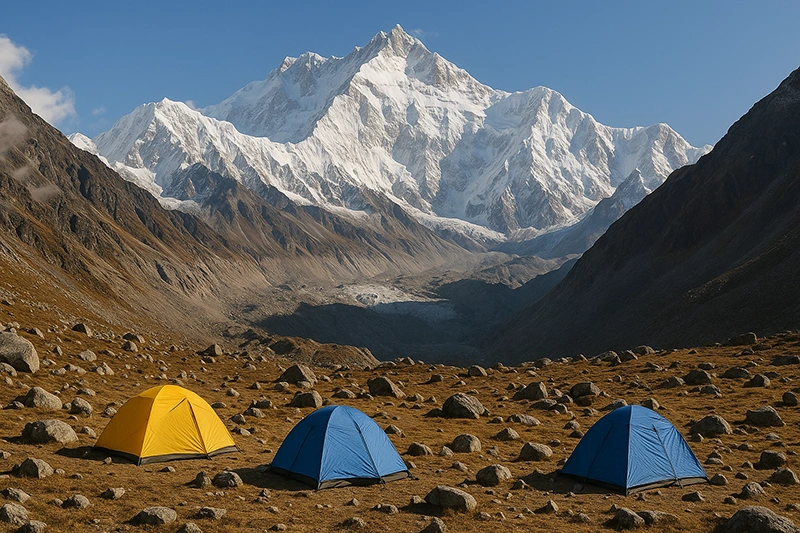
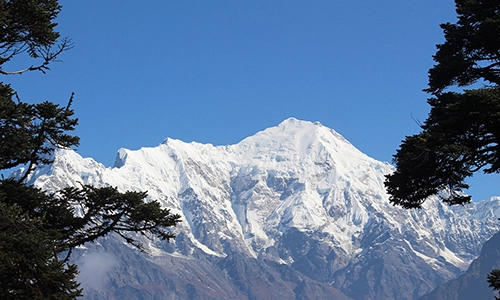
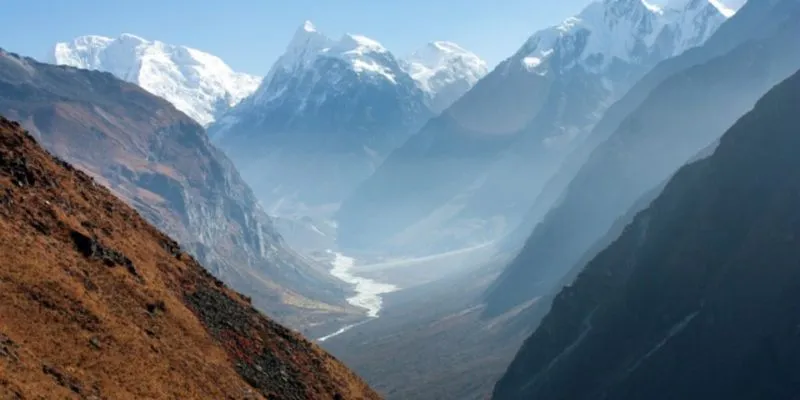
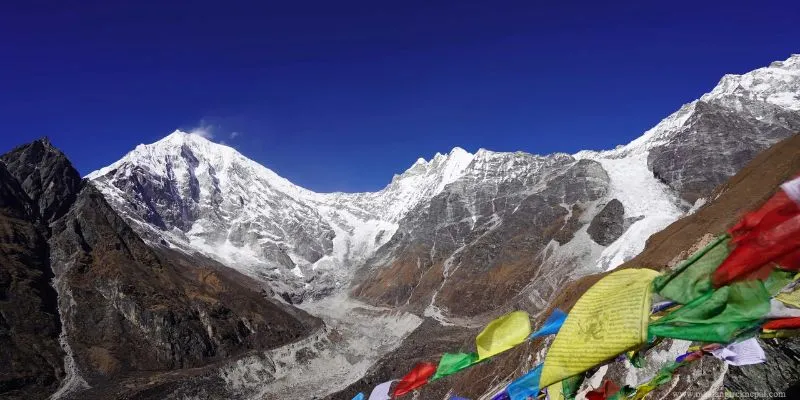
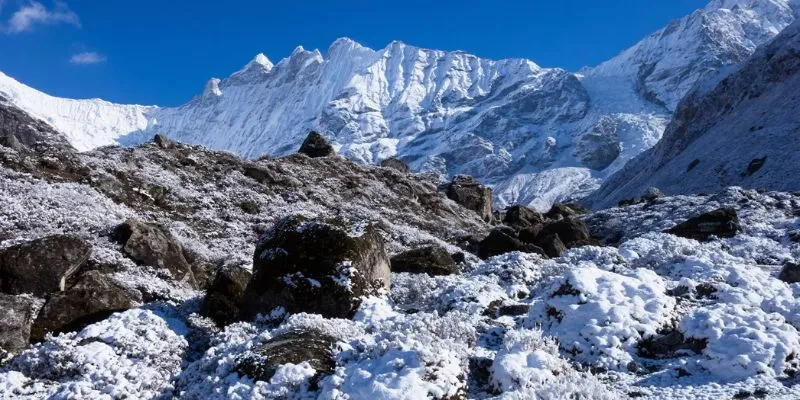
- Stunning Mountain Views: Enjoy breathtaking views of Langtang Lirung, Ganesh Himal, and other snow-capped peaks as you trek through the valley.
- Kyanjin Gompa: Visit the sacred Kyanjin Gompa, a monastery at 3,870 meters, where you can enjoy panoramic views of the surrounding mountains and glaciers.
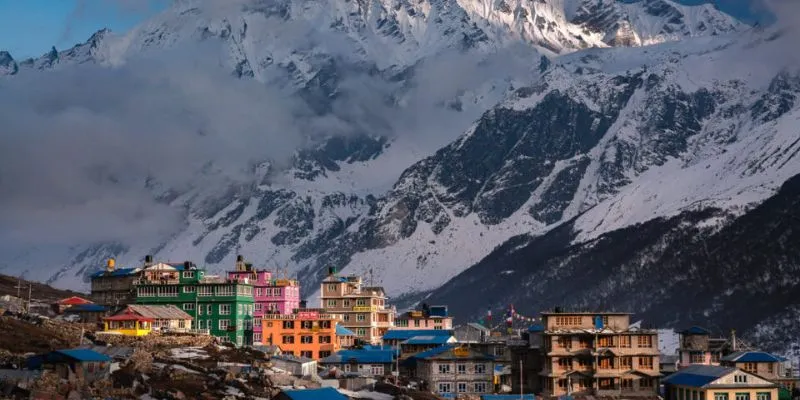
- Tamang Villages: Immerse yourself in the local culture as you pass through traditional Tamang villages, where you can experience authentic Tibetan-influenced customs and architecture.
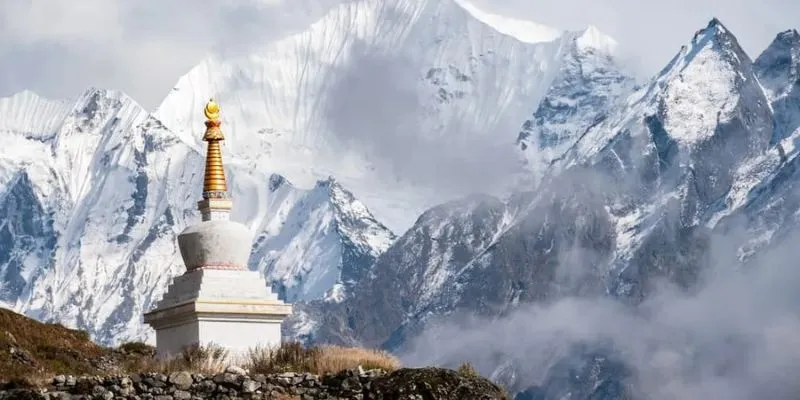
- Buddhist Monasteries: Visit ancient Buddhist monasteries along the trail, adding a spiritual dimension to your trek.
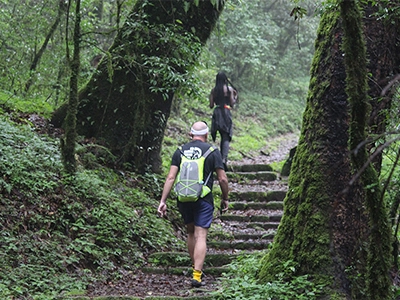
- Diverse Landscapes: Trek through a variety of landscapes, from subtropical forests to alpine meadows and glacial valleys, with rich biodiversity along the way.
- Rhododendron Forests: In spring, witness the colorful bloom of rhododendron forests, adding beauty to the already picturesque route.
- Less Crowded Trails: Escape the crowds found in other popular trekking regions, enjoying a peaceful and serene trekking experience.
- Wildlife Spotting: The Langtang National Park is home to rare wildlife such as red pandas, Himalayan tahr, and various bird species.
Overview
Langtang Valley Trek: Description
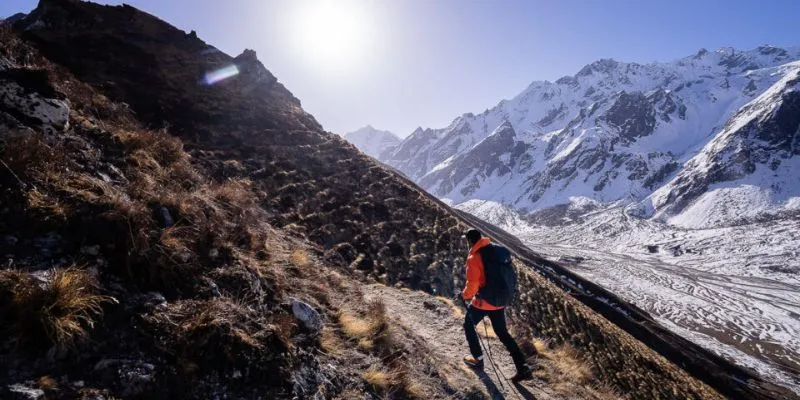
The Langtang Valley Trek is a classic journey into the heart of the Langtang region, known for its stunning natural beauty and rich cultural heritage. Located just north of Kathmandu, the trek offers a perfect escape into the Himalayas, with less crowded trails compared to other popular routes like the Everest or Annapurna treks. The trek takes you through lush rhododendron forests, picturesque villages, and alpine meadows, all while providing magnificent views of towering peaks like Langtang Lirung, Ganesh Himal, and the high glaciers that adorn the valley.
Along the way, trekkers will have the opportunity to visit ancient Buddhist monasteries and interact with the warm, welcoming Tamang people who call the valley home. The highlight of the trek is reaching Kyanjin Gompa, a sacred monastery situated at 3,870 meters, offering unparalleled views of the surrounding snow-capped peaks. The trek is moderate in difficulty, making it ideal for trekkers with basic fitness levels, and it provides an immersive cultural experience with a deep connection to both nature and local traditions.
Why Choose the Langtang Valley Trek?
- Proximity to Kathmandu: Just a short drive from Kathmandu, the Langtang Valley trek is easily accessible for those with limited time but still seeking a Himalayan adventure.
- Stunning Views: Enjoy uninterrupted views of towering peaks such as Langtang Lirung, Ganesh Himal, and other snow-capped mountains from various points along the trek.
- Cultural Experience: Trek through traditional Tamang villages, where you can experience authentic culture, interact with the locals, and explore Buddhist monasteries.
- Rich Biodiversity: Pass through diverse landscapes, from subtropical forests to alpine meadows, providing a habitat for various species of birds, animals, and plants.
- Less Crowded Trails: Compared to other trekking regions, Langtang is less frequented, offering a more peaceful and tranquil experience, ideal for those who prefer a quieter trek.
- Moderate Difficulty: The trek is perfect for those with a moderate level of fitness, offering a combination of challenging and easy sections with ample opportunity to acclimatize.
Tips for the Trek
- Physical Fitness: While the trek is not as challenging as other high-altitude treks, it’s still important to prepare physically by doing cardio and strength exercises to build stamina.
- Altitude Awareness: Be mindful of the altitude and take it slow, especially as you approach higher altitudes near Kyanjin Gompa. Proper acclimatization is essential to avoid altitude sickness.
- Essential Gear: Pack light but carry enough layers to keep warm, as temperatures can drop in the evenings. Good-quality trekking boots, a rain jacket, and sun protection are also essential.
- Permits and Regulations: Ensure you obtain the necessary permits, including the Langtang National Park Permit and the TIMS (Trekkers' Information Management System) card.
Best Season for Trekking
- Autumn (September to November): The peak season for trekking in Langtang, offering clear skies, mild temperatures, and perfect conditions for trekking with great mountain views.
- Spring (March to May): A great alternative to autumn, with moderate weather and blooming rhododendrons enhancing the natural beauty of the trail.
- Winter (December to February): While winter treks are possible, it can be challenging due to heavy snowfall and freezing temperatures, particularly at higher altitudes.
- Monsoon (June to August): The monsoon season is less ideal due to frequent rainfall, slippery trails, and the risk of landslides.
Conclusion:
The Langtang Valley Trek is a perfect blend of natural beauty, cultural immersion, and adventure, offering trekkers a chance to experience the Himalayan wilderness at a moderate level of difficulty. Whether you’re looking for scenic landscapes, spiritual experiences, or a peaceful trekking journey, the Langtang Valley Trek offers all this and more.
Additional Information
Coming Soon
Itinerary for Langtang Valley Trek
As you fly into Kathmandu, enjoy breathtaking views of the valley, the Himalayas, and the terraced fields below.
- Arrival: After clearing customs, our representative will assist you with your hotel check-in and help you navigate the bustling streets of Kathmandu.
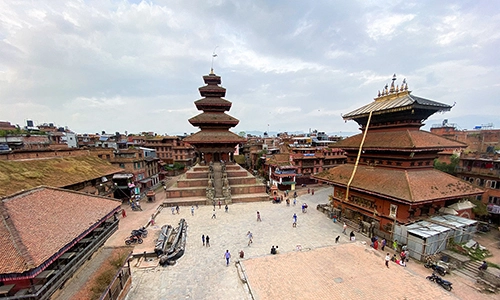
- Explore or Relax: Once checked in, you can either explore one of Kathmandu's cultural attractions or take some time to rest.
- Dinner: In the evening, head out for dinner in Thamel, a vibrant tourist area filled with a variety of restaurants offering both Western and traditional Nepali cuisine.
Overnight: Stay at a hotel in Kathmandu.
In the early morning, as Kathmandu gradually awakens and the city isn’t yet bustling, it exudes a unique charm that you'll appreciate.
- Morning Exploration: Take a leisurely stroll through the neighborhood or enjoy a cup of tea while overlooking one of the durbar squares or quaint courtyards.
- Day Activities: With countless breathtaking sights nearby, there are many ways to spend your day in the Kathmandu Valley.
- Evening Dining: Later in the evening, dine at one of the city’s top restaurants, or your guide can arrange a meal at a local family's home for an authentic experience.
- Start Early: Depart from Kathmandu early for a scenic seven-hour drive to Langtang Valley.
- Stunning Views: As the road ascends from the Kathmandu Valley, enjoy breathtaking views of the Annapurna Himalayas to the west, as well as Manaslu, Ganesh Himal, and the peaks of the Langtang region ahead.
- Pass Through Trisuli: Travel through the bustling town of Trisuli before continuing your ascent to Dunche and entering Langtang National Park.
- Arrive at Syabru Besi: After descending from Dunche, reach Syabru Besi (Alt. 1,460 m / 4,790 ft), where you'll spend the night.
- Cross the Bhote Kosi: Start your day by crossing the Bhote Kosi, also referred to as the "Tibet River," which flows from the nearby region of Tibet.
- Scenic Ascent: Gradually ascend through tranquil oak and rhododendron forests, eventually connecting with the trail that leads from Syabru Besi.
- Wildlife Spotting: Keep your eyes peeled for langur monkeys among the trees, adding a touch of excitement to your trek.
- Reach Lama Hotel: After approximately 6 hours of trekking, arrive at the Lama Hotel (Altitude: 2,470 m / 8,103 ft). Here, you will be welcomed by a cozy lodge and a comfortable bed, perfect for relaxing after a day of adventure.
- Overnight Stay: Enjoy a delightful dinner and settle in for an overnight stay at the Lama Hotel, recharging for the next day's journey
- Glimpses of Langtang Lirung: Enjoy occasional views of Langtang Lirung as you ascend through the forest.
- Ghora Tabela: Reach Ghora Tabela (Altitude: 3,000 m / 9,842 ft), formerly a Tibetan resettlement site, now a Nepal Army post.
- Widening Valley: The trail continues to widen, passing temporary herder settlements. Keep an eye out for yaks grazing in the summer pastures.
- Langtang Village Remains: The next section serves as a reminder of the 2015 earthquake, with only a rock field remaining where Langtang village once stood. Your visit supports local survivors.
- Arrival at Mundu: After a 30-minute walk, arrive at Mundu (Altitude: 3,550 m / 11,646 ft), where old homes showcase traditional village architecture.
- Modern Accommodations: Most guesthouses now reflect a modern style.
- Overnight Stay: Overnight at a lodge or guesthouse in Mundu after approximately 6 hours of trekking.
- The trail ascends gradually from Mundu as the valley widens and the views expand while passing through yak pastures.
- Today’s trail ends at Kyangjin (Alt. 3,800m/12,467 ft) after crossing several minor streams and moraines. There is a small monastery nearby, as well as a cheese factory run by the government that is a great place to get supplies for lunch and afternoon snacks.
- Since you'll be there by lunch, you have the afternoon free to relax or go exploring. If you have the energy, you can ascend the valley toward Langshisha Kharka to see some of the breathtaking views.
- Rest Day at Kyangjin: Today is a rest day at Kyangjin, the highest point of this trek. Take the opportunity to enjoy stunning views of the Tsergo Ri and Kyanjin Riading, which rises above 4,700 m.
- Spectacular Scenery: From this vantage point, you can see magnificent peaks, including:
- Langtang Himal: The range that includes Langtang Lirung (7,234 m) and Ganesh Himal (7,405 m).
- Other Notable Peaks: Bengaluru (Langtang II), Kimshun (6,745 m), Shalbachum (6,918 m), Chimsedang, Naya-Kanga (Ganja Chuli) at 5,846 m, Gangchempo, and Tilman's Fluted Peak, stretching east toward 6,980 m.
- Tibetan Views: The scenery also encompasses several peaks on the Tibetan side of the border, formed by the Langtang Himal, which separates Nepal from Tibet/China.
- Overnight Stay: Enjoy a comfortable overnight stay at a teahouse or lodge in Kyangjin
- Descent from Kyangjin: Retrace your steps from Kyangjin to Ghora Tabela, following the Langtang Khola from Mundu village.
- Faster Descent: The descent will be quicker than the ascent, allowing you to enjoy the scenery along the way.
- Lunch Stop: After lunch, continue your trek down the slope toward the Lama Hotel.
- Overnight Stay: Spend the night at the Lama Hotel, resting after a fulfilling day of trekking.
- Descent to Syabru Besi: Retrace your steps to Syabru Besi, enjoying the serene, tree-covered hills along the way.
- Optional Detour: If you're feeling adventurous, consider taking a breathtaking detour from Rimche to Syabru Besi via Sherpa Gaon. This route is longer but offers stunning views.
- Dinner and Overnight Stay: Enjoy dinner and spend the night at a lodge or guesthouse in Syabru Besi, reflecting on your trekking experience.
- Journey to Kathmandu: Take an overland journey from Syabrubesi village in Rasuwa district to Kathmandu, traveling by private car, coach, or tourist bus, depending on your group size.
- Scenic Morning Ride: Enjoy an early morning ride along the same scenic road, with breathtaking views throughout the drive back to Kathmandu.
- Afternoon Free Time: Once you arrive, you’ll have the afternoon free for personal activities, including souvenir shopping.
- Overnight Stay: Spend the night at a hotel in Kathmandu, reflecting on your trekking adventure.
- Farewell to Nepal: After an incredible experience in Nepal and an unforgettable adventure on the "Langtang Valley Trek," it’s time to say goodbye to this beautiful country.
- Last Breakfast and Exploration: Enjoy your final breakfast at a café, take a leisurely stroll through the city, or do some last-minute souvenir shopping to wrap up your time in Kathmandu.
- Airport Transfer: A representative will meet you at your hotel to escort you to the airport, ensuring you arrive in time for your flight home.
- Airport Arrival Recommendation: It is recommended to arrive at the airport at least two hours before your departure.
Route Map
Cost Included
- Accommodation in a tea house or lodge during the trek
- All the arrival and departure airport transfers.
- Two nights' BB hotel accommodation in Kathmandu at Hotel M Square or a similar hotel.
- Meals (Breakfast, Lunch, and Dinner) during the trek
- One experienced male English-speaking guide with his allowance
- There is one porter for every two trekkers.
- All the necessary trekking permits are required for the Everest Panorama trek.
- All forms of government taxes.
Cost Excluded
- During the trek, all personal expenses such as travel insurance, beverages, phone calls, internet, bar bills, laundry, water, travel insurance, and heater were incurred.
- Tips for the Guide Porter
- Helicopter rescue in case of an emergency.
- Personal trekking gear.
- All expenses incurred as a result of a change in itinerary due to political unrest, a strike, or a lockdown landslide.
- All the lunches and dinners in Kathmandu.
Fixed Departure
| # | Date | Cost | Size | Status | Action |
|---|---|---|---|---|---|
No departures foundTry selecting a different month |
|||||
Equipments
Coming Soon
FAQs Section
The best times to trek in Langtang Valley are from March to May (spring) and from mid-September to early December (autumn to pre-winter). During these periods, the weather is generally clear, offering stunning views of snow-capped peaks and blooming rhododendrons in the spring. Avoid trekking during the monsoon season (mid-June to mid-September) due to heavy rains and potential landslides.
Trekking in Langtang Valley helps generate much-needed income for the local community, especially as they rebuild their lives after the 2015 earthquake. By choosing to trek in this region, you contribute to the sustainable development of the area, helping residents rebuild their homes, farms, and livelihoods while preserving their culture and dignity.
The Langtang Valley Trek offers a rich cultural experience, particularly with the Tamang people, who are the predominant ethnic group in the region. The Tamang practice a blend of Buddhism and the pre-Buddhist Bon religion, with worship centered on the five natural elements. Along the trek, you'll encounter Buddhist monasteries like Kyangjin Gompa, prayer flags, and traditional Tamang villages. Additionally, Hindu communities, including Brahmins, Chettries, and Dalits, reside in the lower hills.
The Langtang Valley Trek is considered a moderate trek, suitable for trekkers with some prior experience. The trek begins in Syabru Besi and gradually ascends through forests and alpine meadows. The highest point reached during the trek is Kyangjin Gompa, located at an altitude of 3,800 meters (12,467 feet) above sea level. The trek involves steady climbs but is manageable with proper acclimatization and preparation.