

 Instant Booking
US$ 2764.5.00
21 Days
Everest Regions
Feb-May & Aug-Nov
Challenging
5615m
Trekking
Flight | Car | Jeep | Hiace
Highlight
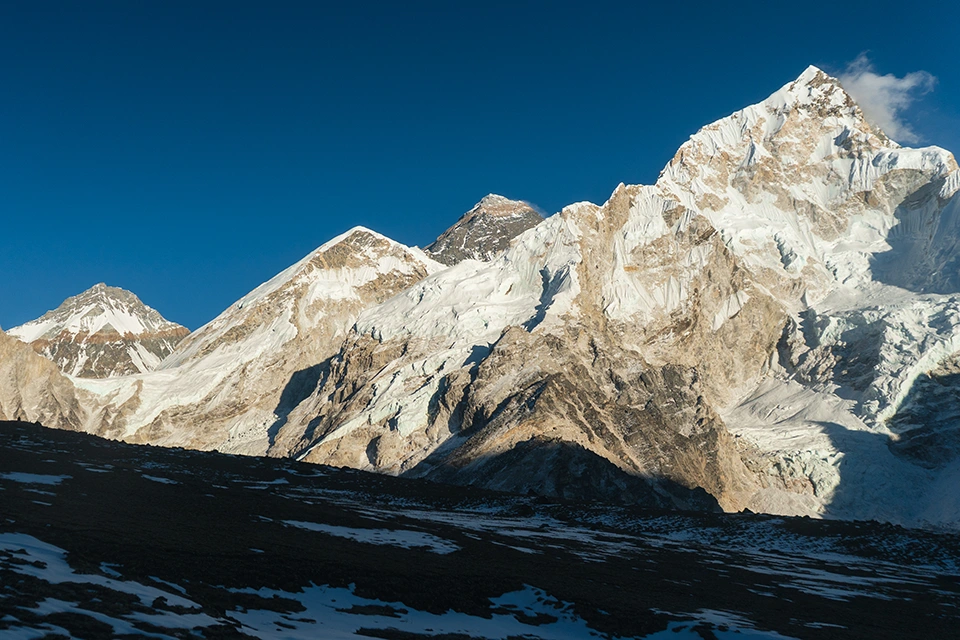
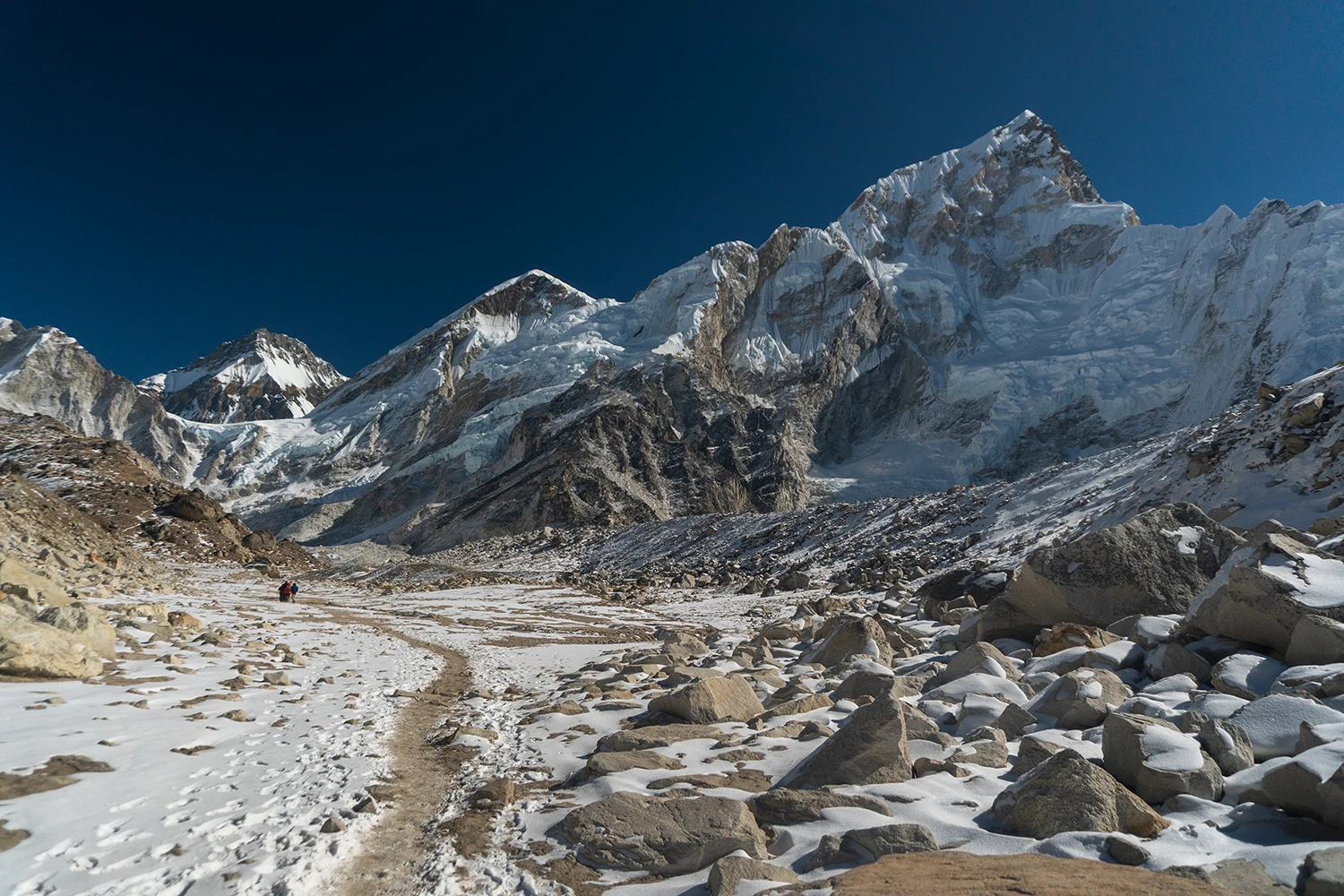
- Spectacular Mountain Views: Witness breathtaking views of Everest, Lhotse, Makalu, Cho Oyu, and other towering peaks throughout the trek.
- Three High Passes: Conquer Kongma La (5,535m), Cho La (5,420m), and Renjo La (5,360m), each offering sweeping views of the surrounding Himalayan ranges and valleys.
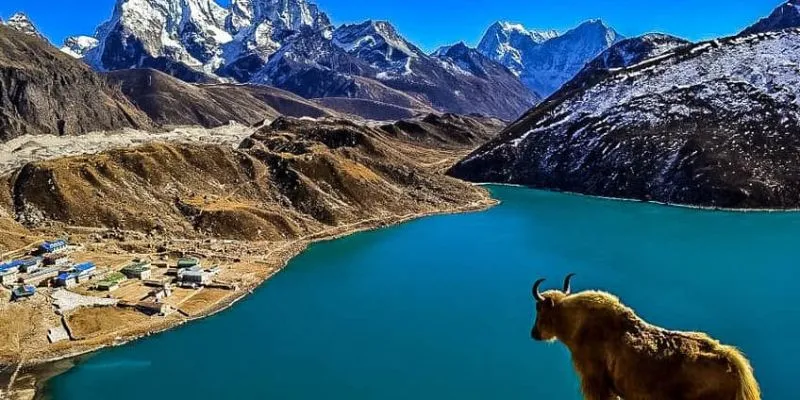
- Gokyo Lakes and Gokyo Ri: Visit the stunning Gokyo Lakes and ascend Gokyo Ri for panoramic views of Everest, the surrounding peaks, and the turquoise lakes.
- Remote and Peaceful: Experience the quieter, less crowded side of the Everest region, avoiding the typical heavy traffic found on the Everest Base Camp trail.
- Cultural Exploration: Trek through Sherpa villages such as Namche Bazaar, Dingboche, and Thame, and visit Buddhist monasteries, learning about the rich culture and traditions of the region.
- Challenging and Rewarding: This trek is ideal for experienced trekkers looking for a physically demanding adventure with high-altitude passes and an exhilarating sense of achievement.
- Diverse Terrain: Enjoy varied landscapes, from lush valleys and rhododendron forests to rocky moraine and alpine meadows, providing a diverse trekking experience.
- Isolation and Adventure: Trek through remote areas of the Khumbu region, offering a true sense of adventure and exploration in the heart of the Himalayas.
- A True Everest Experience: This trek offers a comprehensive Everest experience, combining iconic peaks, remote valleys, and high-altitude challenges in one epic journey.
Overview
Everest Three Pass Trek – Ultimate Adventure in the Himalayas
The Everest Three Pass Trek is a challenging and adventurous trek that offers an in-depth exploration of the Everest region, taking trekkers across three high-altitude passes: Kongma La (5,535m), Cho La (5,420m), and Renjo La (5,360m). This trek provides not only stunning views of Mount Everest but also the opportunity to experience the region’s rugged landscapes, Sherpa villages, Buddhist monasteries, and varied wildlife, making it an unforgettable journey for experienced trekkers.
Starting from Lukla, the trek follows the classic Everest Base Camp trail but diverges as it heads into less-traveled areas of the Khumbu region. Trekkers will pass through iconic villages such as Namche Bazaar, Tengboche, and Dingboche, all while gaining altitude and soaking in views of Everest, Lhotse, Makalu, and other surrounding peaks.
The highlight of the trek is crossing the three high passes. Kongma La is the first to be conquered, offering sweeping views of the Annapurna and Makalu ranges. Cho La connects the Gokyo Valley to the Everest region, offering panoramic views of Everest, Lhotse, and Cho Oyu. Finally, Renjo La offers spectacular views of Mount Everest, the Gokyo Lakes, and the surrounding peaks, culminating in one of the best views of the entire trek.
While the Everest Three Pass Trek is considered physically demanding, it rewards trekkers with a deep sense of achievement and unmatched mountain views. The trail also avoids the busy crowds typically seen at Everest Base Camp, offering a more remote and peaceful trekking experience.
Why Choose the Everest Three Pass Trek?
- Incredible Views of Everest and Surrounding Peaks: Enjoy close-up views of Everest, Lhotse, Cho Oyu, Makalu, and other major Himalayan peaks, making the trek a visual feast for mountain lovers.
- Challenge and Adventure: Crossing three high-altitude passes makes this trek a true test of endurance and a great choice for seasoned trekkers looking for a challenge.
- Fewer Crowds: The route is more remote compared to the Everest Base Camp trail, offering a quieter, less crowded experience in the heart of the Himalayas.
- Cultural Immersion: Trek through Sherpa villages, visit Buddhist monasteries, and experience the unique traditions, hospitality, and way of life of the local people.
- Diverse Terrain: The trek includes a variety of landscapes, from lush valleys and rhododendron forests to rocky moraine and alpine meadows, providing trekkers with a rich visual experience.
- Exploration of Gokyo Lakes and Valley: In addition to the three passes, the trek includes a visit to the stunning Gokyo Lakes and Gokyo Ri, providing panoramic views of Everest and the surrounding peaks from a different perspective.
Tips for the Trek
- Physical Preparation: The Everest Three Pass Trek is a strenuous trek that requires a high level of fitness and prior trekking experience. Make sure to train and prepare for long days of hiking and high-altitude conditions.
- Acclimatization is Crucial: As the trek reaches altitudes above 5,000 meters, proper acclimatization is essential to avoid altitude sickness. Take your time and stay hydrated throughout the journey.
- Bring Proper Gear: Ensure you have proper trekking gear, including warm layers, a good pair of trekking boots, a down jacket, trekking poles, and a sleeping bag suitable for high-altitude conditions.
- Hire a Guide/Porter: Due to the complexity and remoteness of the trek, hiring a guide and/or porter is highly recommended to help navigate the challenging terrain, handle logistics, and ensure safety.
- Altitude Sickness: Be aware of the symptoms of altitude sickness (headache, dizziness, nausea) and take precautionary measures, including climbing high and sleeping low, to help with acclimatization.
- Water and Food: Bring a water purification system or buy bottled water along the way to stay hydrated. While teahouses provide food, it is recommended to carry high-energy snacks for the journey.
Best Season for Trekking
- Autumn (September to November): This is the best time to trek, with clear skies, stable weather, and optimal visibility of the mountains. The temperatures are moderate, and the trekking conditions are ideal.
- Spring (March to May): Another great season for trekking, with blooming rhododendron forests, comfortable temperatures, and good visibility. It is also a popular trekking season, so some areas may be busier.
- Winter (December to February): Winter trekking is challenging due to extremely cold temperatures, especially at higher altitudes. Snow can also affect the passes, making the trek more difficult and dangerous.
- Monsoon (June to August): The monsoon season is not ideal for trekking due to heavy rainfall, which can make trails slippery and increase the risk of landslides.
Additional Information
Coming Soon
Itinerary for Everest Three Pass Trek
- Today is dedicated to preparing for the trek and obtaining necessary permits, while also allowing time to acclimate before starting the challenging expedition.
- Our experienced guide will inspect your trekking gear, offer any necessary guidance, and provide a detailed briefing about your trip.
- We’ll also give you an overview of the trekking itinerary and cover important details for the next day, including check-out time, breakfast, and transportation.
- After a few hours of preparation, you can spend the rest of the day exploring several world heritage sites at your own pace.
- Early in the morning, you’ll take a taxi or cab for a 15 to 20-minute ride to the domestic airport, where you’ll board a flight from Kathmandu to Lukla according to the flight schedule.
- After an exciting 25 to 30-minute scenic flight, we’ll arrive in Lukla (Altitude: 2,800m).
- We’ll begin our trek, passing above Chaurikharka Village and heading towards Phakding (Altitude: 2,850m), with a descent through Chheplung Village to Ghat (Altitude: 2,530m).
- The trail follows the banks of the Dudh Koshi River, passing through Sherpa settlements that practice Nyingma Buddhism, with sacred Buddhist mantras beautifully painted on boulders along the way.
- It will take about 2 to 3 hours to trek from Lukla to Phakding (Altitude: 2,640m).
- After arriving, you can explore the village for the rest of the day before spending the night at a tea house.
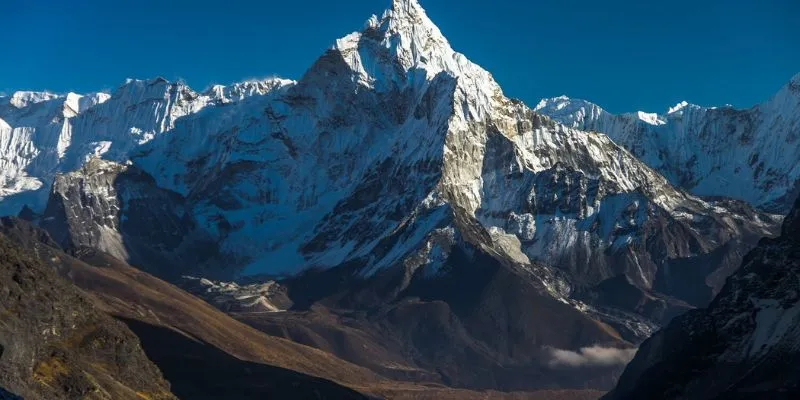
- Today is focused on rest and acclimatization before heading to the high passes. We’ll start with a hike to the Everest View Hotel, which offers stunning views of Mt. Everest, Nuptse, Ama Dablam, and more.
- Next, we’ll descend through an alpine forest to Khumjung Village, visiting the Hillary School, a historic monastery with a Yeti skull, and Khunde Hospital.
- On the way back to Namche Bazaar, we’ll pass a yak farm.
- You can also explore the mountaineering museum, the Sagarmatha Pollution Control Committee (SPCC), and the Sagarmatha National Park office, or simply relax at the hotel.
- We’ll spend the night at a lodge or guesthouse in Namche.
- After a successful acclimatization day in Namche, we’ll trek to Tengboche (Altitude: 3,867m). The day begins with a climb to the top of the village near the museum, where the trail ascends to Kenjoma, passing through lovely woodlands high above the Dudh Koshi River.
- Tengboche is famous for its sacred monastery and breathtaking mountain views.
- The trail continues through rhododendron forests from Khumjung to Sansa, then descends to Phunki Thanga (Altitude: 3,250m), where we’ll have lunch at the last teahouse before Tengboche.
- We’ll reach Tengboche in about two hours, trekking along forest trails that offer stunning views of the mountains and landscapes.
- In addition to the majestic Mt. Everest, you can also admire Kwangde, Tawache, Nuptse, Lhotse, Ama Dablam, Kantega, and Thamserku along the way.
- We’ll spend the night at a teahouse or guesthouse in Tengboche.
- his is our second rest day for acclimatization before heading to the high passes.
- After breakfast, we’ll climb to Nangkartshang Peak (Altitude: 5,615m), located at the edge of Dingboche Village, where you can enjoy breathtaking views of some of the world’s highest mountains, including Mount Lhotse (8,516m), Makalu (8,481m), Ama Dablam, Thamserku, Taboche, and more, along with the beautiful Imja Valley and Dingboche Village.
- The ascent to Nangkartshang Peak takes about two hours. After taking some photos, we’ll return to Dingboche (Altitude: 3,820m) for the night.
- The walk from Dingboche to Chhukung (Altitude: 5,550m) takes about two to two and a half hours but may feel longer due to lower oxygen levels, helping your body adjust to high elevation.
- In Chhukung, you can relax at the teahouse, hike to Chhukung Ri (Altitude: 5,541m) for panoramic views, or visit the Island Peak base camp.
- Chhukung Ri offers stunning views of Lhotse, Makalu, Nuptse, Island Peak, Barunche, Ama Dablam, Thamserku, and Kwangde.
- The next day, we’ll cross Kongma La Pass (Altitude: 5,535m) and see Imja Lake and Glacier.
- Tonight, prepare for the pass by filling water bottles and stocking up on energy bars, a head torch, and warm clothing.
- We’ll spend the night at a lodge or guesthouse in Chhukung.
- Although we've left Everest behind, today offers breathtaking vistas, including views of Mt. Cho Oyu (Altitude: 8,153m), the sixth-highest mountain in the world.
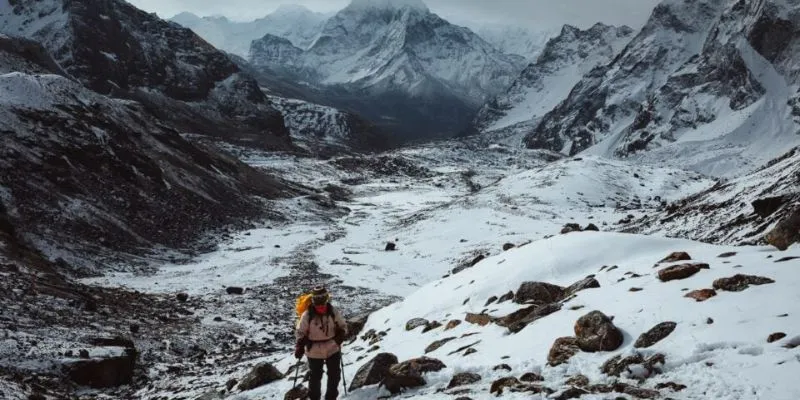
- The trail ascends to Cho La Pass (Altitude: 5,367m), requiring a challenging scramble across rocky boulders and a walk across the slowly ascending, snow-covered glacier.
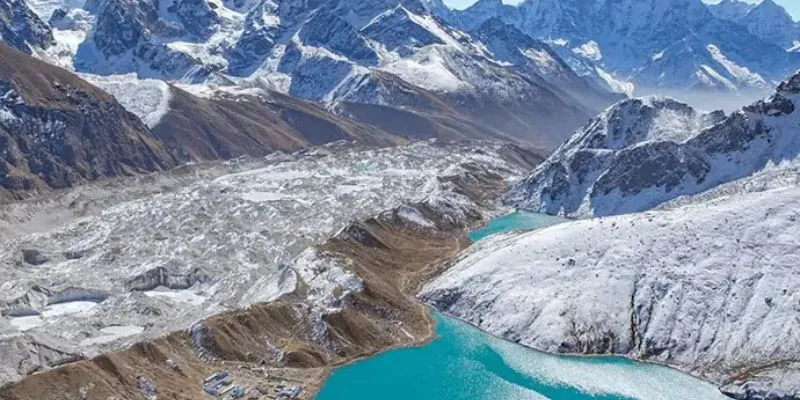
- We then descend through steep, rocky slopes scattered with boulders into the Gokyo Valley, where you'll find turquoise lakes and massive glaciers.
- Finally, we'll ascend a slight incline before following a small river valley downhill to Tangnak (Altitude: 4,700m), a Sherpa community nestled beneath a large rock, where we’ll spend the night.
- After a late breakfast, we’ll trek through the Nagjumpa Glacier, the largest glacier in the Nepal Himalayas, ascending to the main Gokyo route. Here, you'll see beautiful lakes and may spot Siberian ducks swimming across the mirror-like surfaces.
- From Thangnak, you can reach Gokyo's third lake (Dudh Pokhari) in 2 to 3 hours.
- You can relax at the hotel for the rest of the day or hike up to Gokyo Peak (Altitude: 5,350m) to explore the stunning area.
- This trek offers a once-in-a-lifetime opportunity to experience the breathtaking and remote Himalayan scenery.
- We’ll spend the night in Gokyo (Altitude: 4,750m).
- Today is a day to relax and explore the beautiful Gokyo Valley.
- We’ll start with an early morning ascent up a challenging trail to Gokyo Ri (Altitude: 5,360m), which takes about two hours.
- From the summit, you'll witness a spectacular sunrise that bathes the mountain peaks in golden light.
- The view includes the four tallest mountains in the world: Mount Everest (Altitude: 8,848m), Cho Oyu (Altitude: 8,153m), Lhotse (Altitude: 8,516m), and Makalu (Altitude: 8,463m), along with stunning vistas of the Ngozumpa Glacier and the turquoise lake in Gokyo Valley.
- These breathtaking sights will create lasting memories.
- After soaking in the views, we’ll walk back to Gokyo for the remainder of the day to relax or explore the fifth lakes and the nearby Cho Oyu Base Camp.
- We’ll spend the night at the tea house.
- Today, we’ll descend into the Nangpa Valley, which was off-limits to trekkers until 2005, as it served as the main entrance to the pass connecting Nepal and Tibet.
- For decades, Tibetan traders have utilized this route, transporting various Chinese goods on the backs of their yaks for sale at Namche Bazaar.
- In this valley, you’ll find the renowned Thame Monastery, built in the 14th century and attached to a rock face.
- Thame is home to many mountain heroes, including Tenzing Norgay Sherpa, the first person to summit Everest. He was born here and conquered the peak alongside New Zealander Edmund Hillary on May 29, 1953.
- We may have a great opportunity to hear about Everest from Mr. Appa Sherpa, an Everest hero who has climbed it 21 times.
- We’ll spend the night at a tea house/lodge in Thame (Altitude: 3,800m).
- In Thame, you’ll encounter other trekkers coming from the Tashi Laptsa route in Rolwaling, as some have started their trek in the opposite direction.
- After breakfast, we’ll trek through juniper and rhododendron forests, passing remote Sherpa settlements like Thamte, Mende, Thamo, and Phurte, gradually descending south toward Namche Bazaar.
- We’ll continue our descent, retracing our steps to Manjo, which takes approximately an hour and a half.
- The rest of the day can be spent enjoying the vibrant atmosphere of Manjo
- Today, we’ll trek back to Lukla, descending along the Dudh Koshi River and crossing several bridges.
- It takes about an hour and a half from Monju to reach Phakding Village, where we previously stayed.
- The journey offers beautiful green landscapes, the sound of the rushing river, and colorful prayer flags along the way.
- We’ll enjoy the hospitality and culture of the Sherpa people as we make our way to Lukla, observing local communities and stunning mountain views.
- You’ll have free time to explore the market, and our guide will confirm your flight details for tomorrow.
- On Thursdays, you can visit the local markets in Lukla, where goods are sold for cash or bartered.
- We’ll celebrate the trek's completion with dinner alongside our guide and porters before returning to the hotel for the night.
- Today marks the end of your trek, and you might take some time to shop for final souvenirs for your family.
- We will provide you with your trekking permits, TIMS cards, and trip application cards as keepsakes from your adventure in Nepal.
- Depending on your flight schedule, our assistant will drive you from the hotel to the airport.
- It's recommended to check in at the airport two to three hours before your flight.
- Depart for your next destination with unforgettable memories from this once-in-a-lifetime experience.
Route Map
Cost Included
- Accommodation in a tea house or lodge during the trek.
- All the airport transfers.
- Air Fare to Travel from Kathmandu-Lukla-Kathmandu
- Three nights of hotel accommodation in Kathmandu on BB Basis.
- All the meals (Breakfast, Lunch, Dinner) during the trek.
- One experienced English-speaking guide.
- One porter for every two trekkers.
- Sleeping bag with a liner.
- All the necessary Trekking Permits and National Park permits require for three-pass trekking.
- All forms of government taxes.
Cost Excluded
- All the personal nature expenses, travel insurance, beverage, phone calls, internet, bar bills, laundry, water, travel insurance, and heater during the trek.
- Extra Tips for the Guide, Porter
- Helicopter rescue.
- Rescue operation in case of emergency and Personal Trekking equipment.
- All the expenses which arise due to a change of itinerary because of political trouble, strike, or lockdown landslide, .
- All the Lunch and Dinner in Kathmandu.
Fixed Departure
| # | Date | Cost | Size | Status | Action |
|---|---|---|---|---|---|
No departures foundTry selecting a different month |
|||||
Equipments
Coming Soon
FAQs Section
The Everest Three Pass Trek is considered one of the most challenging treks in the Everest region due to the high altitude and the rugged terrain. Trekkers must cross three high passes—Kongma La (5,535m), Cho La (5,420m), and Renjo La (5,360m)—which require physical stamina and mental preparation. The trek also involves steep ascents and descents, exposure to cold temperatures, and the potential for altitude sickness.
The best times to undertake the Everest Three Pass Trek are during the autumn (September to November) and spring (March to May) seasons. These periods offer the most stable weather, clear skies, and breathtaking mountain views. Autumn is particularly popular for trekking due to the moderate temperatures and festive atmosphere, while spring is known for its blooming flowers and lush greenery.
The trek takes you through Sagarmatha National Park, where you can spot endangered species such as the Himalayan black bear, red panda, snow leopard, and musk deer. The vegetation varies with altitude; above 5,750 meters, plant growth ceases, but you’ll encounter dwarf-sized plants and yak pastures in the lower regions. The diverse birdlife includes 118 different species.
Yes, prior trekking experience is highly recommended for the Everest Three Pass Trek due to its demanding nature. The trek involves crossing high passes at altitudes exceeding 5,000 meters, which can be physically and mentally taxing. Trekkers should be in good physical condition, have experience with high-altitude trekking, and be prepared for the challenges of varying weather conditions and rugged terrain.