

 Instant Booking
US$ 1254.00
11 Days
Annapurna Region
Feb-May & Aug-Nov
Challenging
4250m
Trekking
Car | Jeep
Highlight
- Remote Adventure: Experience an off-the-beaten-path trek in one of the most remote valleys in Nepal, far from the crowds of popular trekking routes.
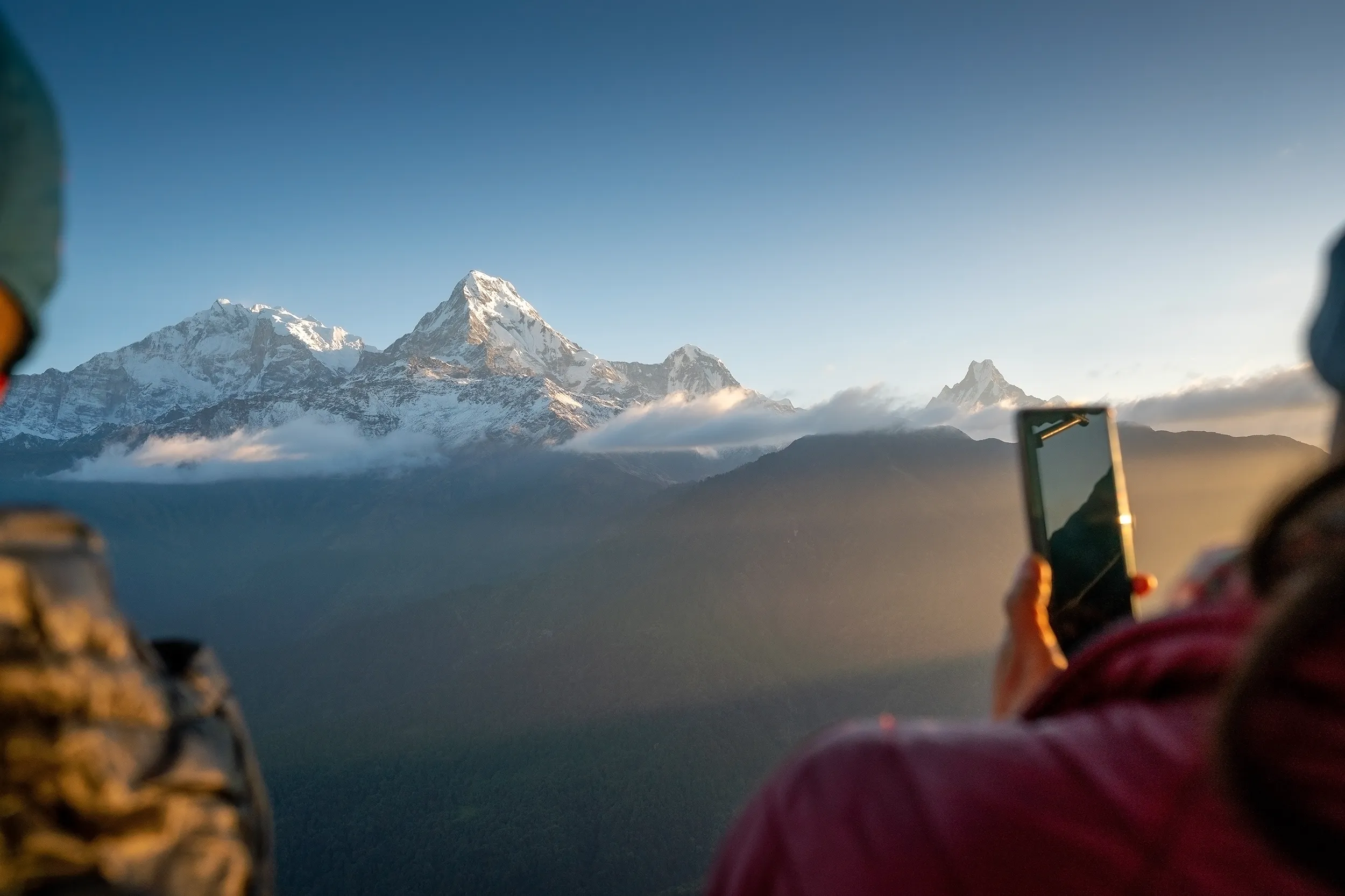
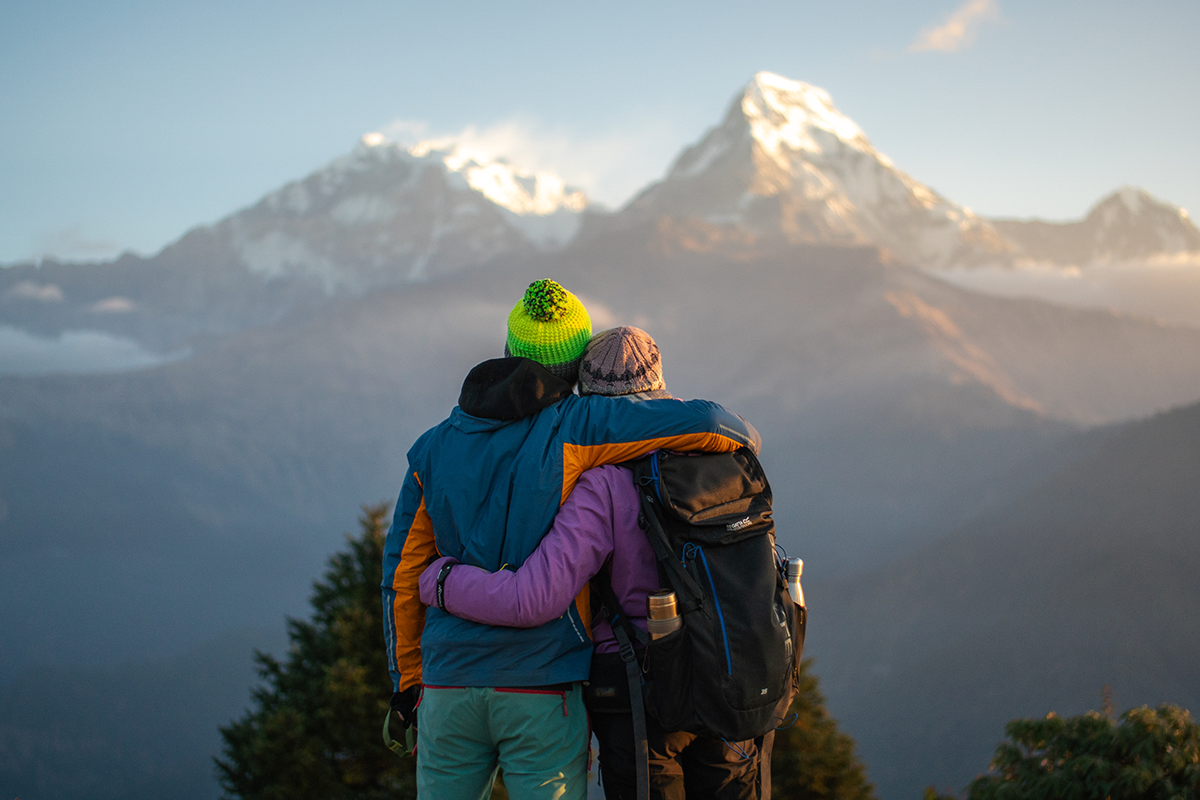
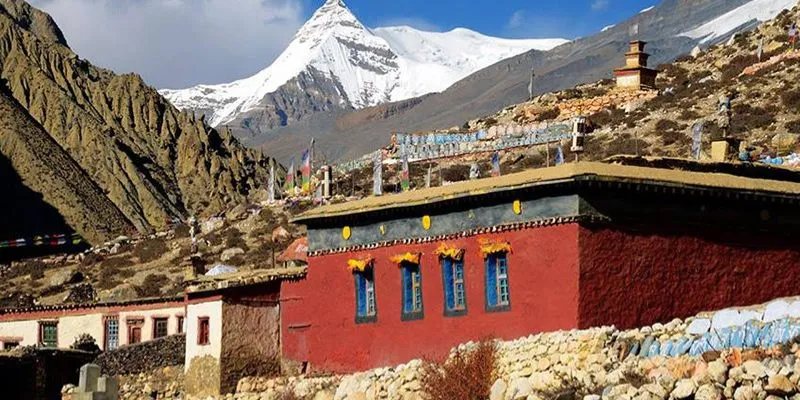
- Breathtaking Mountain Views: Enjoy stunning vistas of Annapurna II, Annapurna IV, Himlung Himal, and numerous other snow-capped peaks throughout the trek.
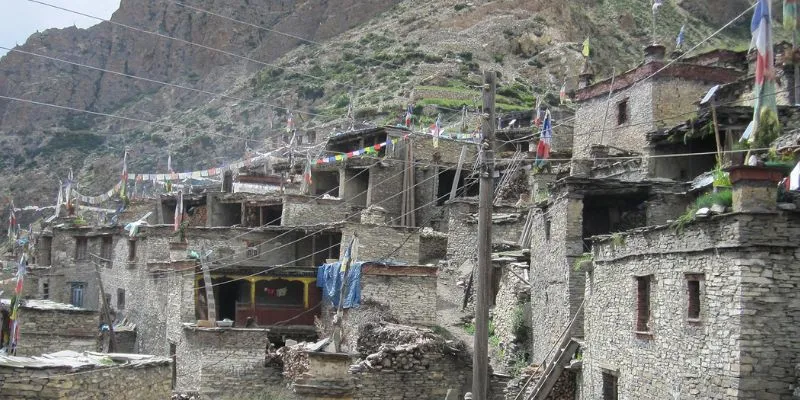
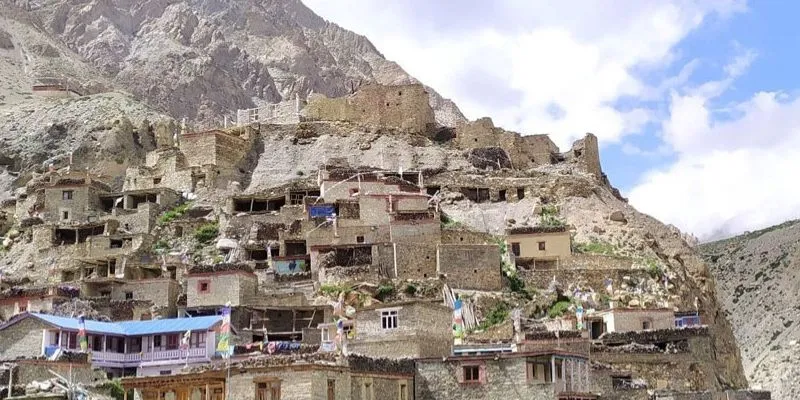
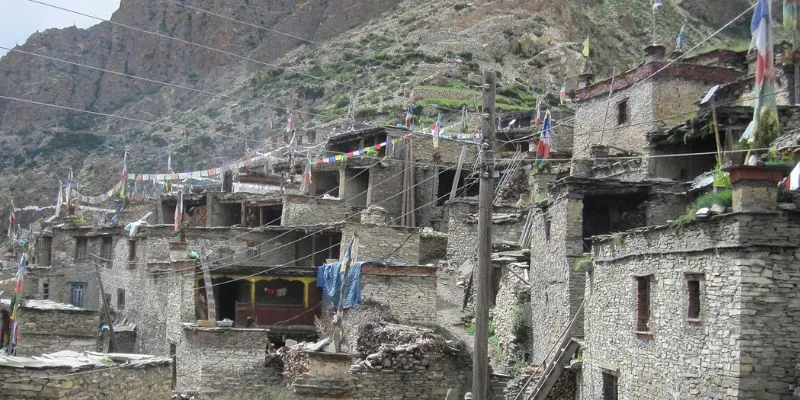
- Tibetan-Inspired Culture: Visit the traditional villages of Nar and Phu, where you can immerse yourself in Tibetan culture, explore ancient monasteries, and see well-preserved stone-built houses.
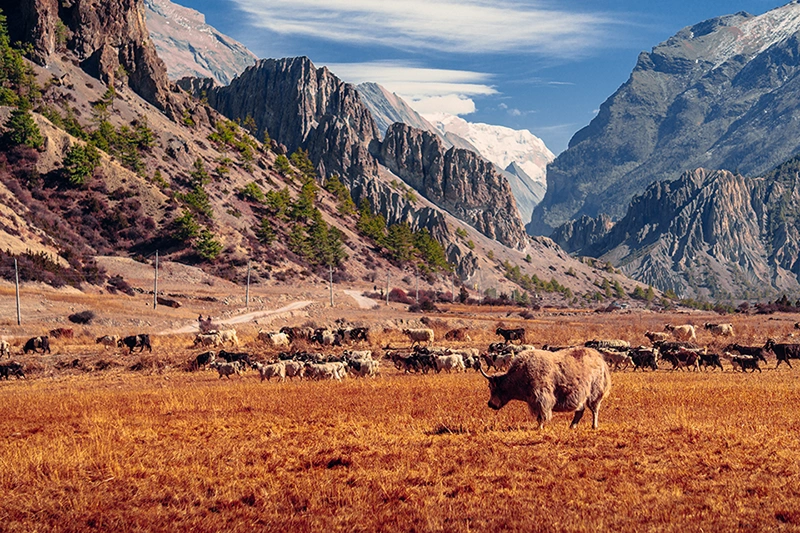
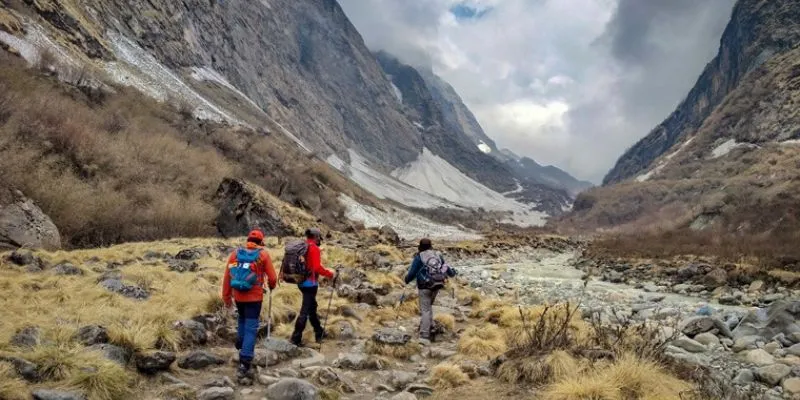
- Diverse Landscapes: Trek through a mix of terrain, from lush forests and alpine meadows to high-altitude deserts, providing a variety of stunning natural environments.
- Wildlife Spotting: The trek offers opportunities to spot rare wildlife, including Himalayan tahr, blue sheep, and possibly even snow leopards.
- Authentic Local Experience: Meet local communities and experience their unique way of life, largely unchanged for centuries, and enjoy the hospitality of the region's people.
Overview
Nar Phu Valley Short Trek: Description
The Nar Phu Valley Short Trek is an extraordinary adventure that takes trekkers into the remote and unexplored corners of the Annapurna region. Located in the northern part of the Annapurna Circuit, this trek offers a fascinating combination of dramatic landscapes, Tibetan culture, and untouched natural beauty. The Nar Phu Valley is nestled between the Annapurna and Manaslu ranges, and it has only recently become accessible to trekkers, making it a hidden gem for those seeking an off-the-beaten-path experience.
The trek begins with a drive from Kathmandu to the town of Besi Sahar, followed by a journey through traditional Gurung and Manangi villages, giving you a taste of local life. As you progress towards the Nar Phu Valley, the landscape becomes increasingly rugged, offering spectacular views of snow-capped peaks, glaciers, and alpine meadows. The valley itself is home to the Nar and Phu villages, both of which are rich in Tibetan culture, where you’ll find ancient monasteries, stone-built houses, and traditional lifestyles that have remained unchanged for centuries.
The Nar Phu Valley Short Trek is ideal for those who are looking for a unique and relatively less crowded trekking experience in Nepal. Despite its remote location, the trek is manageable and offers a mix of adventure, cultural exploration, and natural beauty, all within a 10-12 day timeframe.
Why Choose the Nar Phu Valley Short Trek?
- Off-the-Beaten-Path Adventure: Explore a less-visited area of Nepal, offering an authentic and peaceful trekking experience without the crowds found in more popular trekking regions.
- Stunning Mountain Views: Enjoy breathtaking views of Annapurna II, Annapurna IV, Himlung Himal, and many other peaks along the way, with stunning vistas of glaciers and alpine meadows.
- Cultural Immersion: Visit the remote villages of Nar and Phu, where you can experience the unique Tibetan-influenced culture, including ancient monasteries, traditional stone houses, and local customs.
- Remote and Rugged Landscapes: Trek through some of the most rugged and pristine landscapes in Nepal, from lush forests to high-altitude deserts, offering a variety of terrains.
- Wildlife and Flora: The region is home to diverse flora and fauna, including blue sheep, Himalayan tahr, and snow leopards, providing a chance to witness the region's wildlife in its natural habitat.
- Short but Rewarding: The Nar Phu Valley Short Trek can be completed in 10-12 days, making it a perfect option for trekkers with limited time who want to experience the remote beauty of the Himalayas.
Tips for the Trek
- Fitness Preparation: The Nar Phu Valley trek involves higher altitudes, steep ascents, and some challenging terrain. It’s recommended to prepare physically with cardio and stamina-building exercises before the trek.
- Altitude Acclimatization: Since the trek reaches altitudes of up to 5,000 meters, it’s essential to acclimatize properly to avoid altitude sickness. Take it slow and ensure you stay hydrated.
- Pack Smart: The trek includes a variety of weather conditions, so pack light but bring warm layers, waterproof clothing, a good pair of trekking boots, and a hat and gloves for cold evenings.
- Permits and Regulations: The Nar Phu Valley is a restricted area, so you’ll need to obtain special permits, including the Annapurna Conservation Area Permit (ACAP), TIMS card, and a special permit for Nar Phu Valley, which can be arranged through a registered trekking agency.
- Local Guides and Porters: Hiring a local guide and porter is highly recommended, not only for ease of travel but also to support the local economy and ensure your safety on the trail.
Best Season for Trekking
- Autumn (September to November): This is the best time for the Nar Phu Valley Short Trek, with clear skies, mild temperatures, and excellent visibility of the mountains, making it ideal for trekking.
- Spring (March to May): Another great season for the trek, with pleasant weather, blooming rhododendron flowers, and clear views of the surrounding peaks.
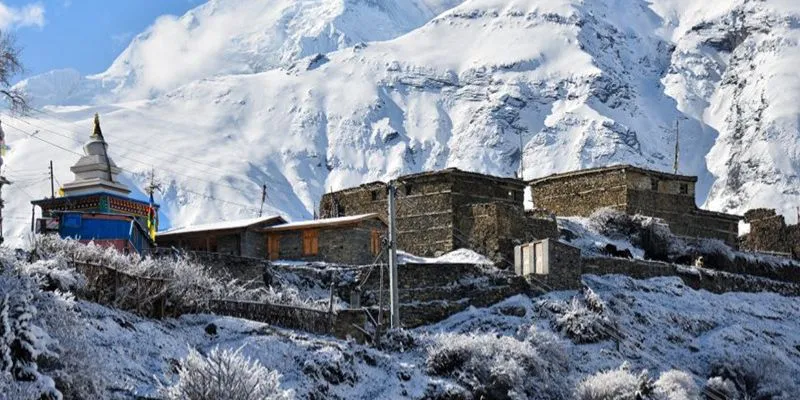
- Winter (December to February): While trekking during winter is possible, it can be quite cold, especially at higher altitudes, and some areas may be covered in snow, making it more challenging.
- Monsoon (June to August): The monsoon season is not ideal for trekking due to heavy rainfall, slippery trails, and the risk of landslides, which can make the trek difficult and dangerous.
Conclusion:
The Nar Phu Valley Short Trek offers a unique opportunity to explore one of Nepal’s most remote and culturally rich areas. With its stunning landscapes, pristine beauty, and Tibetan culture, this trek provides a memorable and rewarding experience for those seeking adventure off the beaten path.
Additional Information
ComingSoon
Itinerary for Nar Phu Valley Short Trek
- Arrival in Kathmandu: Fly in, enjoying views of the Himalayas and terraced fields.
- Hotel Transfer: Clear customs, then meet your representative for a hotel transfer.
- City Exploration: Explore Kathmandu's Durbar Square and the narrow alleyways filled with shops and temples. Visit Swayambhunath Temple for sunset views over the valley.
- Dining in Thamel: Enjoy your first meal in Thamel, where a variety of restaurants offer Western and Nepali cuisine.
- Overnight: Dinner and overnight stay at your hotel in Kathmandu.
- Morning Departure: Leave Kathmandu early and drive to Besisahar.
- Lunch and Transfer: After lunch, switch to a four-wheel drive for the rugged journey to Koto (Alt. 2,600m).
- Scenic Ride: The road can be challenging for both passengers and drivers, but you’ll be rewarded with breathtaking views of gorges and stunning waterfalls along the way.
- Arrival in Koto: Arrive in Koto in time for dinner after a 9- to 10-hour journey.
- Overnight: Spend your first night at a lodge/guesthouse in Koto.
- Early Start: Begin your day early to cover the distance ahead.
- Enter Nar and Phu Valleys: Cross the river and enter the less developed Nar and Phu valleys, contrasting with the more established towns along the Annapurna Circuit.
- Scenic Trek: Trek through beautiful forests, passing small cave shelters and pilgrim rest stops. The trail leads out of a narrow canyon and beneath a large waterfall, where the landscape opens up.
- Climb to Meta: The final stretch to Meta (Alt. 3,560m) involves a steep ascent, rewarding you with stunning views of the massive snowy peaks.
- Meta Overview: Meta sits on a large open plain and features a few simple yet clean lodges that serve good food.
- Overnight Stay: Enjoy dinner and overnight at a lodge/teahouse in Meta after an 8- to 9-hour trek.
- Departure from Meta: Leave Meta and spot colorful Tibetan Buddhist chortens along the trail.
- Scenic Trail: Enjoy views of Nar Phedi Monastery as you hike.
- Canyons and Gorges: After 90 minutes, reach a monolith marking the steep trail to Phu (Alt. 4,050m), with views of nearby villages and a Tibetan-style fortress.
- Chorten Landscape: A beautiful line of chortens awaits before crossing the bridge into Phu.
- Visit Tashi Lhakhang Gompa: After a rest, visit Tashi Lhakhang Gompa to pay respects to Lama Karma Sonam Rimpoche.
- Trek Duration: Trek for about 8 to 9 hours.
- Overnight Stay: Dinner and overnight at a teahouse/guesthouse in Phu.
- Acclimatization Day in Phu: Spend the day in Phu to adjust to the high altitude.
- Explore Phu: Wander through the town's narrow alleyways and observe locals engaging in daily tasks, such as spinning yak and sheep wool and grinding mustard seeds.
- Hike to Himlung Himal Base Camp: Optionally trek to Himlung Himal base camp (Alt. 4,000m) for an added challenge. The peak, standing at 7,125m, has only recently become accessible.
- Wildlife Viewing: Spot herds of blue sheep navigating the cliffs during your hike.
- Hike Duration: The return journey takes about four to five hours.
- Overnight Stay: Enjoy dinner and an overnight stay at a lodge/guesthouse in Phu.
- Return to Meta: Retrace your steps back to Meta, with a detour to Nar Phedi Monastery (Alt. 3,750m) for the night.
- Stay at Nar Phedi: Enjoy your stay at the monastery, which is entirely composed of the monastery itself. The nuns are friendly, and the rooms are tidy and clean.
- Cultural Experience: Watch the nuns cook over a small fireplace and observe the evening puja (blessing) ceremony, typically held at 5 PM.
- Donation Opportunity: Feel free to leave a donation for the upkeep of the monastery in the small donation box.
- Trek Duration: Today’s trek will last around 7 to 8 hours, concluding with a delicious dinner.
- Gentle Trek: Enjoy a relaxed day of trekking for about 3 to 4 hours.
- Ascent to Nar: Depart Nar Phedi and take a winding path up the hill toward Nar (Alt. 4,150m).
- Scenic Approach: Pass by beautifully painted chortens with bamboo roofs as you near the historic village.
- Arrival in Nar: Arrive in Nar around lunchtime. Despite its proximity to the main Annapurna trail, Nar is less frequented by hikers and is one of the most picturesque locations.
- Village Life: Nar offers a friendlier and livelier atmosphere compared to Phu. You may find the village square bustling with women weaving wool fabric into rugs and blankets on back-strap looms.
- Accommodation: Stay in a cozy lodge with various options available at the newly constructed tea houses on the outskirts of Nar.
- Overnight Stay: Enjoy dinner and spend the night at a lodge/guesthouse in Nar after your trek.
- Early Start: Begin your long day before sunrise, trekking to Kang La Pass (Alt. 5,306m), where you'll rejoin the popular Annapurna Circuit. While the climb isn’t particularly challenging, the altitude may make it feel tiring.
- Scenic Views: At the top of the pass, enjoy breathtaking views of Tilicho Peak, Gangapurna, and Annapurna II.
- Descent: If you love scree running, the steep descent trail will be exciting! Take a lunch break on a scenic plateau before continuing your trek to Ngawal (Alt. 3,675m).
- Contrast in Villages: Ngawal presents a stark contrast to the ancient villages you've visited, situated on the upper Pisang route of the Annapurna Circuit.
- Modern Amenities: Most lodges in Ngawal offer Wi-Fi and phone signals, along with an extensive menu for dining options.
- Overnight Stay: After a long trek of 9 to 10 hours, enjoy dinner and spend the night at a teahouse/guesthouse in Ngawal.
- Morning Descent: After breakfast, begin your gradual descent to Pisang Village, following the bank of the Marsyangdi River.
- Scenic Views: Spend the day enjoying stunning views of the magnificent mountains surrounding you.
- Arrival in Chame: Reach Chame (Alt. 2,670m), the administrative center of the Manang District, where you'll spend the night.
- Trek Duration: Today's trek will last approximately 7 to 8 hours.
- Overnight Stay: Enjoy dinner and spend the night at a lodge/teahouse in Chame.
- Final Morning in Kathmandu: Savor your last breakfast at a café, take a leisurely stroll through the city, or do some souvenir shopping to wrap up your time in Nepal.
- Airport Transfer: A representative will pick you up from your hotel and take you to the airport for your flight home.
- Arrival at Airport: It’s advisable to arrive at the airport at least two hours before your departure.
- Farewell: Wishing you a safe flight and hoping to see you again soon!
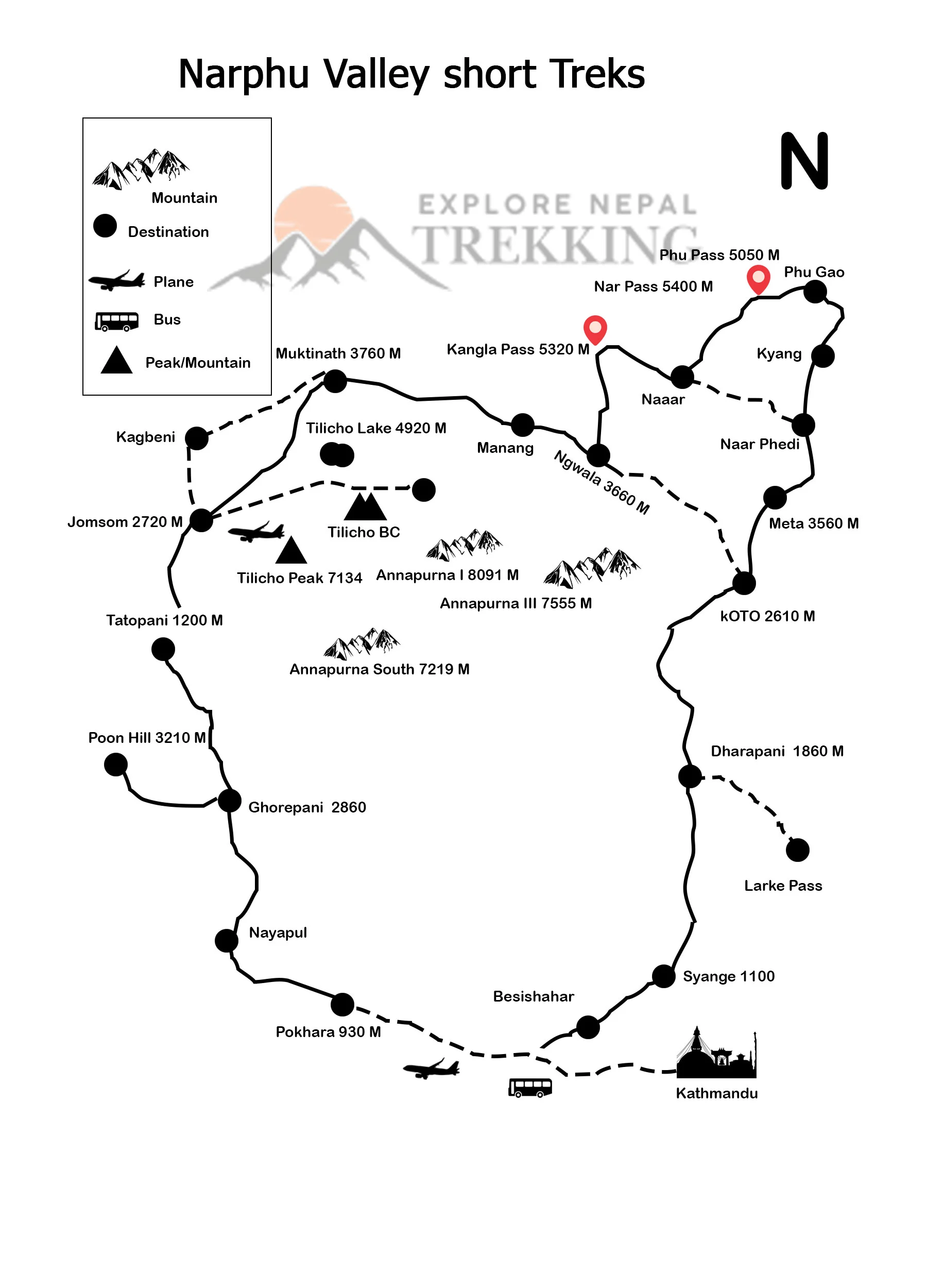
Route Map
Cost Included
- Four airport pick-ups and drop-offs to your hotel.
- On the BB plan, two nights in a two-star hotel in Kathmandu.
- 3 meals per day during the trek (Breakfast, Lunch, and Dinner) ( also includes tea or coffee).
- A Jeep transfer from Kathmandu to Dharapani.
- Accommodation in a tea house or lodge during the trek.
- An experienced English-speaking guide.
- 1 porter for every 2 visitors.
- All sorts of government and local taxes.
- Annapurna Conservation Entrance Fees.
- All the trekking permits, such as the Nar-Phu special permit.
- Trekkers' Information Management System (TIMS).
- A first aid kit for any small injuries during the adventure trip.
- Guide and porter's salaries include food, accommodation, and transportation.
- A route map.
- Guide and staff insurance during the trek.
Cost Excluded
- All the trekking equipment and personal expenses include alcoholic beverages, phone calls, and laundry.
- Lunch and dinner are served except for Pokhara, where there will be a farewell dinner.
- Emergency Rescue and Travel Insurance.
- Trip Cancellation Cost, loss, theft, damage, and personal effects.
- Hot Shower.
- Entrance fees for the temples and monasteries' visits etc.
- Tips and gratuities for the staff, guide, and porters.
Fixed Departure
| # | Date | Cost | Size | Status | Action |
|---|---|---|---|---|---|
No departures foundTry selecting a different month |
|||||
Equipments
ComingSoon
FAQs Section
The best time to trek in the Nar Phu Valley is during the spring (March-May) and autumn (September-November) seasons. During these periods, the weather is generally clear, making it ideal for trekking and enjoying panoramic views of the surrounding mountains. The monsoon season (June-August) is also suitable for the trek, though trekkers should be prepared for potential road interruptions due to mud and landslides.
The Nar Phu Valley Short Trek is considered challenging due to the long trekking days, steep altitude ascents, and the remote nature of the trail. The daily altitude gains can be significant, and the trek involves crossing high passes, such as the Kang La Pass. This trek is best suited for experienced trekkers who are physically fit and accustomed to high-altitude trekking.
Accommodation in the Nar Phu Valley is primarily available in basic tea houses and lodges. These lodges offer basic amenities like beds, blankets, and simple meals. In remote areas, such as Nar Phedi, you can also stay in monasteries, which provide a unique cultural experience. The facilities are more basic than those found on more popular trekking routes like the Annapurna Circuit.
The Nar Phu Valley is home to a variety of wildlife and vegetation. Trekkers may encounter alpine and sub-alpine shrubland, as well as endangered animals such as the Snow Leopard, Himalayan Black Bear, and Blue Sheep. Bird species like the Danphe (Lophophorus), Himalayan Monal, and Snowcock are also found in the region. The trek offers a chance to see rare and protected species in their natural habitat.