

 Instant Booking
US$ 665.00
8 Days
Langtang Region
Feb-May & Aug-Nov
Moderate
Alt. 4380m
Trekking
Car | Jeep | Bus
Highlight
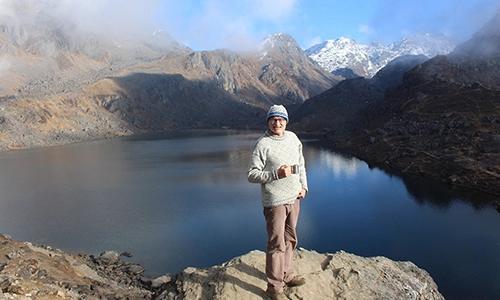
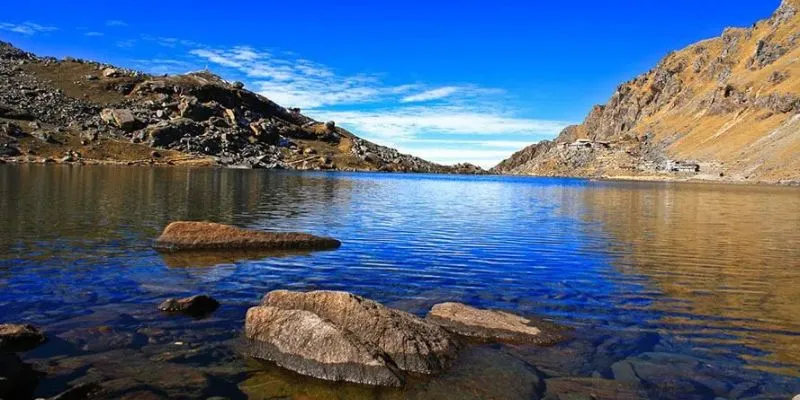
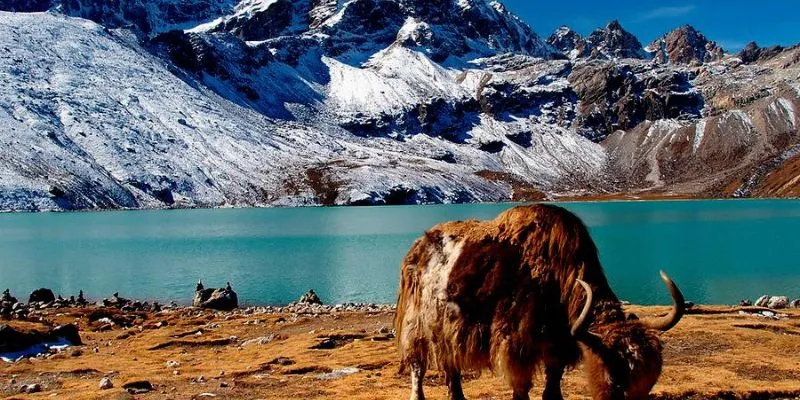
- Sacred Gosaikunda Lake: Visit the famous Gosaikunda Lake, a holy site for Hindus, where pilgrims come to take ritual baths and seek blessings from Lord Shiva.
- Stunning Mountain Views: Enjoy panoramic views of the Langtang, Ganesh Himal, and Manaslu mountain ranges, with breathtaking vistas throughout the trek.
- Langtang National Park: Trek through the beautiful Langtang National Park, home to diverse flora and fauna, including rhododendron forests, alpine meadows, and rare wildlife like red pandas and Himalayan tahr.
- Cultural Experience: Interact with Tamang and Sherpa communities, experiencing their unique culture, traditions, and hospitality along the route.
- Challenging Terrain: Experience a moderate-level trek that offers both physical challenge and rewarding views, including a mix of steep climbs, ridges, and forest trails.
- Scenic Landscapes: Pass through lush forests, cascading waterfalls, and remote villages, making for a visually enriching trekking experience.
- Spiritual Significance: The trek’s connection to Hindu and Buddhist spirituality adds an extra layer of depth to the journey, with sacred sites and religious rituals throughout.
Overview
Gosaikunda Trek – A Sacred Himalayan Adventure to Pristine Glacial Lakes
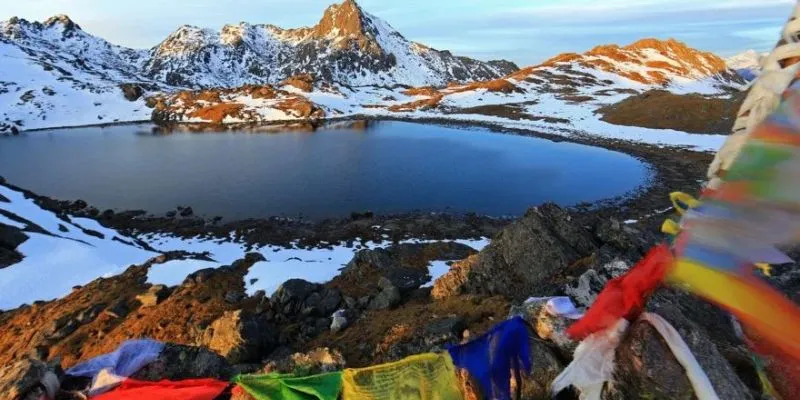
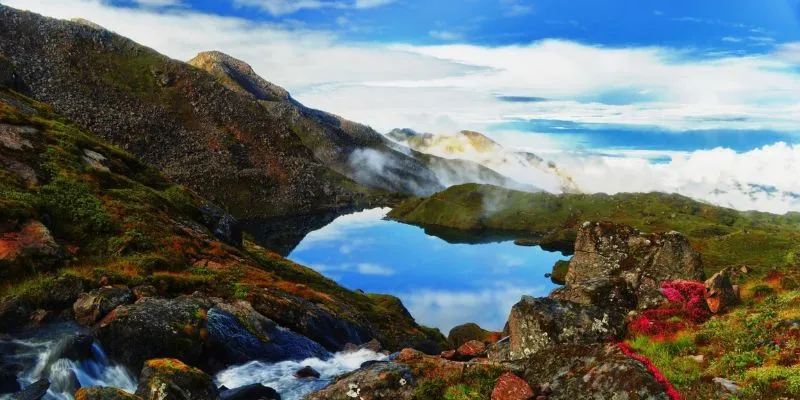
The Gosaikunda Trek is a captivating journey into the heart of the Langtang National Park, renowned for its cultural significance and stunning natural beauty. This trek takes you to the sacred Gosaikunda Lake, situated at an altitude of 4,380 meters. A pilgrimage site for Hindus and Buddhists alike, the lake is believed to be the abode of Lord Shiva. With its crystal-clear waters surrounded by snow-capped peaks, the area offers some of the most breathtaking views in the Langtang region.
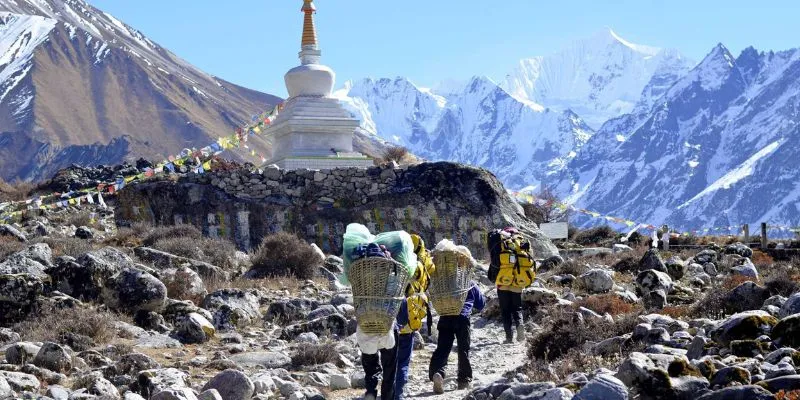
The trek offers a diverse experience, with lush forests, rhododendron blooms, and scenic waterfalls along the way, while passing through Tamang and Sherpa villages that give trekkers a glimpse into the rich cultural heritage of the area. As you ascend to higher altitudes, you will be rewarded with panoramic views of some of the most majestic peaks, including Langtang Lirung, Ganesh Himal, and Manaslu. The Gosaikunda Trek is ideal for those looking for both spiritual connection and adventure amidst the grandeur of the Himalayas.
Why Choose the Gosaikunda Trek?
- Sacred Destination: Visit the sacred Gosaikunda Lake, an important site for Hindu pilgrims, and witness the spiritual significance that draws thousands of visitors each year.
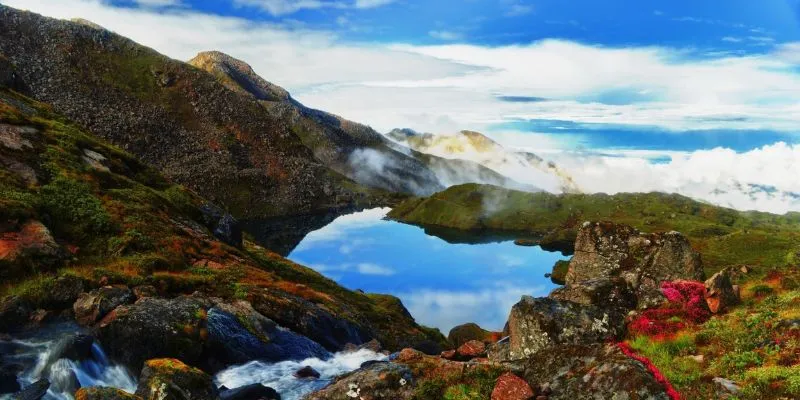
- Diverse Natural Beauty: The trek offers a diverse range of landscapes, from subtropical forests to alpine meadows, rhododendron forests, and snow-covered peaks.
- Majestic Mountain Views: Enjoy panoramic views of the Langtang range, Ganesh Himal, and Manaslu, providing stunning vistas throughout the trek.
- Cultural Immersion: Experience the culture of the Tamang and Sherpa communities, who live along the trail, and learn about their traditions, lifestyle, and religious practices.
- Challenging Yet Accessible: While the trek reaches high altitudes, it remains accessible to trekkers with moderate fitness levels, making it a perfect balance of challenge and beauty.
Tips for the Trek
- Physical Preparation: The Gosaikunda Trek involves high altitudes and some steep sections, so it’s important to prepare physically. Regular cardio and stamina-building exercises can help.
- Pack Smartly: Bring warm clothing as temperatures can drop drastically at higher elevations, especially at Gosaikunda Lake. Don’t forget essentials like a good pair of trekking boots, a rain jacket, and sun protection.
- Altitude Awareness: Since the trek reaches an altitude of over 4,000 meters, altitude sickness is a risk. Ensure proper acclimatization by taking it slow and staying hydrated.
- Permits and Regulations: Make sure to obtain the necessary trekking permits, including the Langtang National Park entry permit and TIMS card, before starting the trek.
Best Season for Trekking
- Autumn (September to November): This is the peak trekking season, with clear skies, mild temperatures, and great visibility of the Himalayan peaks, providing optimal conditions for trekking.
- Spring (March to May): The weather is also favorable during spring, with warmer temperatures and the added beauty of rhododendron forests in full bloom.
- Winter (December to February): While it’s possible to trek during winter, temperatures can drop significantly, and some trails may be covered with snow, making it more challenging.
Conclusion:
The Gosaikunda Trek offers an unforgettable combination of spiritual significance, cultural richness, and natural beauty, making it a must-do for trekkers looking for a rewarding experience in the Himalayas.
Additional Information
Coming Soon
Itinerary for Gosaikunda Trek
- Upon arriving at Tribhuvan International Airport in Kathmandu, you'll be greeted by a representative from our trekking agency and transferred to your hotel.
- During your free time, explore landmarks like Boudhanath Stupa, Pashupatinath Temple, and Durbar Square, or visit Swayambhunath Temple and a local museum.
- In the evening, meet your guide to discuss the trek details.
- Enjoy delicious Nepali cuisine at a local restaurant, trying dishes like momos, thali, and daal bhat.
- If you’re interested in nightlife, check out a rooftop bar or lounge for drinks and live music.
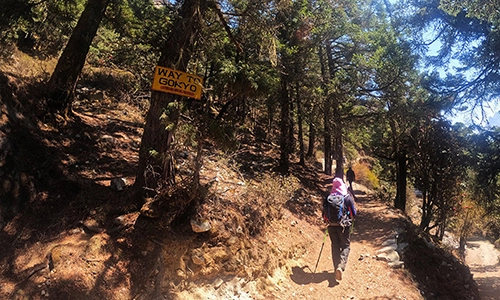
- After a hearty breakfast in Chandanwari, we’ll begin our uphill hike to Gosaikunda (4,361m).
- Today’s hike will be more challenging than yesterday, as we navigate rugged and narrow paths.
- As we ascend through barren hills, be prepared for a cold breeze and dress warmly.
- After about 1.5 hours of hiking, we’ll reach Cholangpaty (3,500m), where you can enjoy clear views of Langtang Lirung (7,234m), Langtang Ri (7,205m), Manaslu (8,163m), and Ganesh Himal (7,422m).
- We’ll continue hiking for another 2 hours to the temple of Sakyamuni, which holds significance for both Hindus and Buddhists.
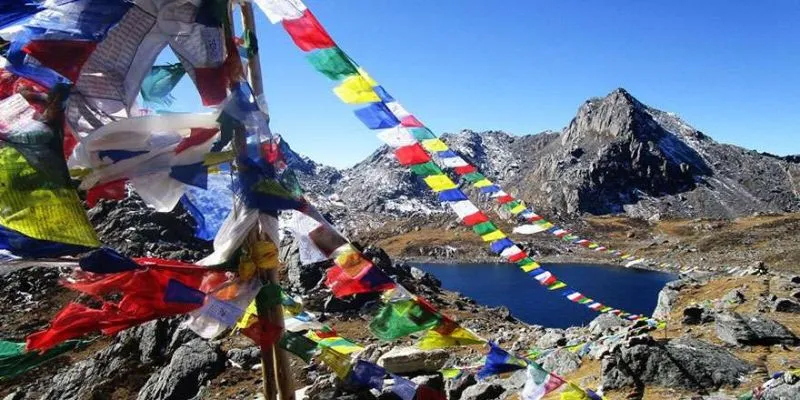
- After another half hour, we’ll arrive at the first lake, Saraswati Kunda, followed by Bhairav Kunda, and finally, the majestic Lake Gosaikunda.
- We’ll explore the nearby lakes and spend the night in a tea house or lodge
- After a restful night in the tea house/lodge, we will begin the hike back down to Chandanwari.
- We will retrace our steps, following the same path we took on the way up.
- As we descend, we will have the opportunity to take in the beautiful mountain views once again.
- We will stop for breaks as needed and make sure to drink plenty of water to stay hydrated.
- After approximately 5-6 hours of hiking, we will arrive back in Chandanwari.
- We’ll spend the night and have dinner at a guesthouse/lodge in Chandanwari.
- Wake up refreshed and ready for another day of adventure in Chandanwari.
- After a nourishing breakfast, we'll begin our descent back towards Dhunche.
- We'll follow the same trail that we took on our ascent, passing through beautiful pine forests and scenic streamlets as we go.
- As we make our way back down, we'll stop at Dhimsa (Alt. 2,900m) and Deurali (Alt. 2,500m)for short breaks to rest and refuel.
- After approximately 5 hours of hiking, we'll arrive back in Dhunche, where we'll check into a cozy guesthouse and rest up for the next day.
- After a restful night in a tea house in Dhunche, we'll enjoy a hearty breakfast before heading back to Kathmandu.
- The drive takes approximately 6–7 hours, offering stunning views of the Trishuli River and picturesque settlements.
- Upon arrival, we’ll check into our hotel and have the afternoon free for souvenir shopping in Kathmandu’s vibrant markets.
- This is a great opportunity to find handmade crafts and textiles to take home as gifts or souvenirs.
- It’s time to say goodbye. On your final morning in Kathmandu, you’ll pack up and prepare to head home.
- After a farewell breakfast at the hotel, you’ll bid farewell to your fellow travelers and the wonderful staff who have assisted you throughout your journey.
- As you leave Nepal, you'll carry with you unforgettable memories and experiences, from the majestic Gosaikunda Lake to the scenic trails and the culturally rich Tamang people.
- If you didn’t shop yesterday, you’ll have a chance for last-minute souvenir shopping, picking up handmade crafts and locally made products as mementos.
- Our staff will pick you up from the hotel three hours before your flight to take you to the airport for your departure.
- Safe travels, and we hope to see you again soon!
Route Map
Cost Included
- International airport transfers as per the itinerary are included.
- Jeep transfer from Kathmandu to Dhunche trek starting place and Dhunche to Kathmandu trek ending place.
- You will stay in a hotel in Kathmandu on a twin-sharing basis, with bed and breakfast included.
- During the trek, you will be provided with accommodation and three meals a day (tea, breakfast, lunch, and dinner).
- A professional, government-licensed English-speaking trekking guide will accompany you.
- We will also provide the necessary number of porters to carry your luggage during the trek (one porter for every two guests).
- All of the listed activities and programs in the itinerary are included.
- Insurance is provided for our Nepalese staff (guide, porter, and driver).
- All government and local taxes are included.
- All necessary permits for the trek will be arranged.
- We will also have emergency medical kits on hand.
- A welcome or farewell dinner is also included.
Cost Excluded
- International airfare to and from Nepal is not covered in the price of the trip.
- Meals (lunch and dinner) in Kathmandu are not included in the cost.
- Insurance that covers your medical expenses, emergency evacuation, loss, etc. is not provided and must be obtained separately by the traveler.
- Beverages, alcoholic drinks, and bottled water during the trek are not included and must be paid for by the traveler.
- Phone calls, laundry services, and boiled water during the trek are not included in the cost.
- Hot showers during the trek are not included in the price of the trip.
- Any food and beverages that are not included in the itinerary are not covered and must be paid for by the traveler.
- If you need to stay in Kathmandu for an extra night due to early arrival, late departure, or early return from the mountain for any reason, the cost of the accommodation is not included and must be paid for by the traveler.
- Personal gear and expenses are not included and must be covered by the traveler.
- Tips and gratuities for the staff, guide, and porters are not included in the cost of the trip.
- Any other items not mentioned in the "Cost Inclusion" section are not covered in the price of the trip.
Fixed Departure
| # | Date | Cost | Size | Status | Action |
|---|---|---|---|---|---|
No departures foundTry selecting a different month |
|||||
Equipments
Coming Soon
FAQs Section
Gosaikunda Lake is a high-altitude freshwater lake located at 4,380 meters in Langtang National Park. It holds spiritual significance for both Hindus and Buddhists. According to Hindu mythology, it was created by Lord Shiva, while Buddhists believe it was formed by the goddess Kali. The lake is a site of pilgrimage, especially during the Janai Purnima festival, when devotees gather to perform religious rituals and ceremonies.
The trek offers a diverse array of flora, including forests of oak, pine, and rhododendron, along with alpine meadows at higher altitudes. Wildlife sightings may include Himalayan black bears, musk deer, red pandas, langur monkeys, and various bird species like Himalayan griffons and pheasants.
The Gosaikunda Trek is considered moderate to challenging, with steep ascents and descents through forests, meadows, and villages. Trekkers should be prepared for high-altitude trekking and should have a good level of physical fitness. Proper acclimatization, hydration, and appropriate gear are essential for a safe and enjoyable experience.
The best times to trek are during spring (March to May) and autumn (September to November). Spring offers mild weather and blooming wildflowers, while autumn provides clear skies and colorful foliage. Winter (December to February) offers clear views but can be very cold, while summer (June to August) is the monsoon season, with lush greenery but potential for rain and landslides.