
25 Tips to Improve Your Everest Base Camp Trekking Experience
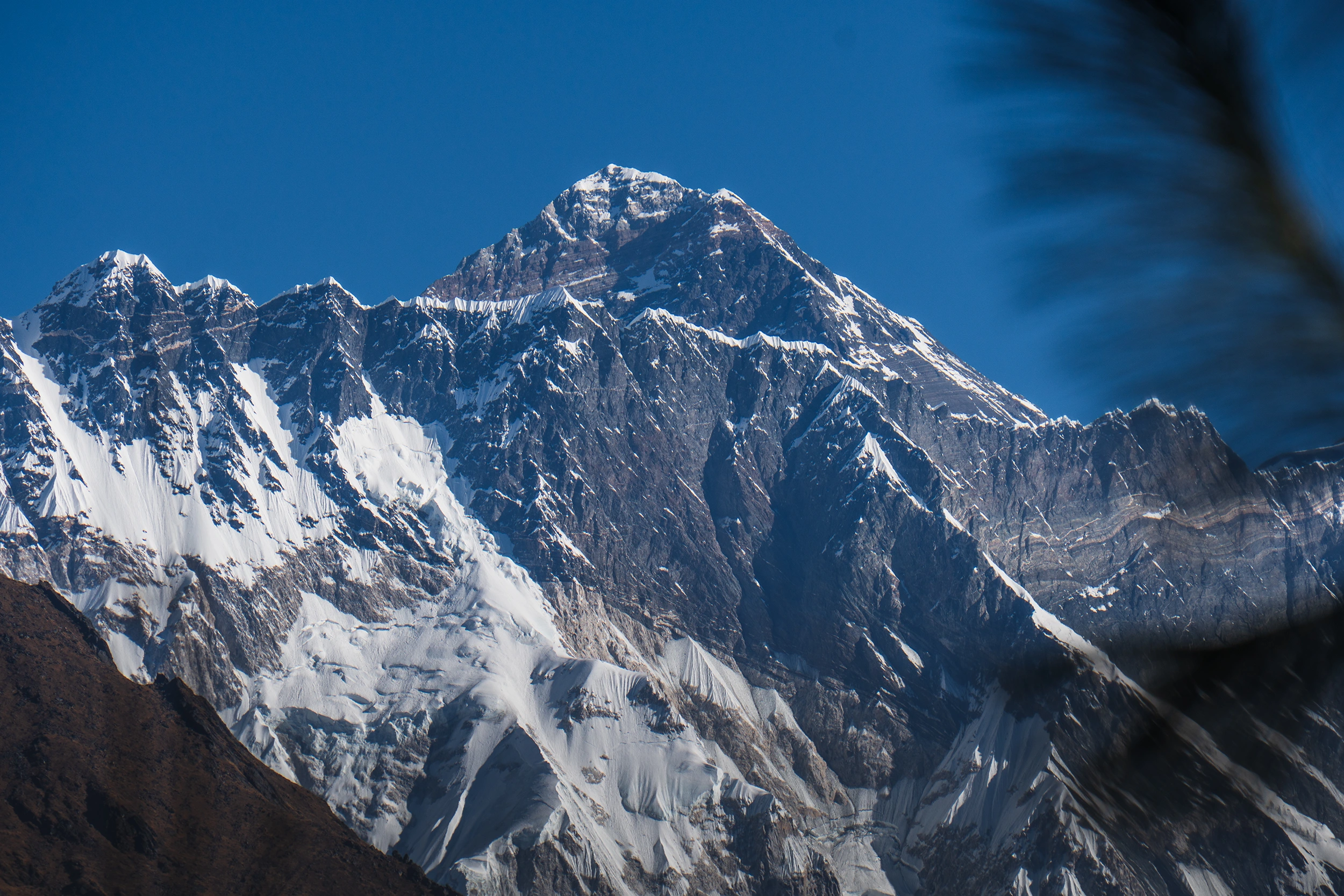
The awe-inspiring Himalayas of Nepal have long called out to adventurers across the globe, and at the center of this siren song is the world’s tallest mountain—Mount Everest.
The legendary Everest Base Camp Trek stands as a bucket list experience for both novice and seasoned trekkers alike. It’s more than just a trek—it's a life-changing adventure where you'll walk among giants, embrace Sherpa culture, and take in the breathtaking sights of Mount Everest up close.
To help you make the most of your experience, we’ve compiled 25 essential Everest Base Camp Trek tips—from pre-trek training to real-time strategies on the trail. Whether you’re a beginner or a veteran trekker, this guide is tailored for you.
1. Begin Physical Training Early
Prepare at least 8 weeks in advance with cardio and strength training focused on endurance, core, and legs. Weighted hikes are ideal to simulate trail conditions.
2. Study the Trekking Route and Altitude Profile
Know the route from Lukla to Everest Base Camp—including Namche Bazaar, Tengboche, Dingboche, and Gorakshep. Understand elevation changes and acclimatization stops.
3. Do Practice Hikes Locally
Go on regular hikes carrying a backpack. Even without altitude, elevation gain hikes help your muscles and mind prepare.
4. Purchase Travel Insurance for High Altitude
Ensure your policy covers trekking over 5,000 meters, helicopter evacuation, and medical emergencies.
5. Book Through a Licensed Local Trekking Agency
Solo trekking is banned in Nepal. Book through a certified local company like Ace the Himalaya for guided support and logistics.
6. Allow for a Flexible Itinerary
Include buffer days in case of weather delays, especially for flights at Lukla airport.
7. Plan a Realistic Budget
Account for meals, showers, snacks, device charging, gear rental, and tips beyond your base package.
8. Acknowledge the Challenges of the Trek
Expect basic accommodation, cold weather, altitude sickness risk, and limited amenities after Namche Bazaar.
9. Cultivate Mental Strength and Mindfulness
Stay mentally strong. Practice mindfulness and focus on the present when faced with difficulty.
10. Invest in Good Trekking Boots
Choose waterproof, ankle-supporting boots and break them in before the trek. Avoid wearing new boots on the trail.
11. Master the Layering System
Pack moisture-wicking base layers, insulating mid-layers, and waterproof outer shells to adapt to changing weather.
12. Don’t Rely Solely on Teahouse Blankets
Bring or rent a four-season sleeping bag rated –10°C to –20°C.
13. Carry Essential Trekking Gear
Include trekking poles, headlamp, sunglasses, sun protection, fleece layers, snacks, and a compact camera.
14. Bring Toiletries and Personal Hygiene Items
Stock up in Kathmandu. Bring wipes, toilet paper, sanitizer, sunscreen, and feminine hygiene items.
15. Use Power Banks and Solar Chargers
Electricity becomes scarce past Namche. Use solar chargers to stay powered.
16. Use Water Purification Systems
Avoid bottled water. Carry purification tablets or a portable filter and refill from natural sources.
17. Keep Your Daypack Light
Limit your daypack to 5–6 kg. Carry essentials like water, fleece, sunscreen, permits, and ID.
18. Prioritize Proper Acclimatization
Spend two nights in Namche Bazaar and another in Dingboche. Follow the "climb high, sleep low" rule.
19. Maintain a Slow, Steady Pace
Don’t rush. Go slow to avoid altitude sickness and conserve energy.
20. Stay Well Hydrated
Drink 3–4 liters of water daily. Avoid caffeine and alcohol.
21. Pack a Personal First Aid Kit
Bring painkillers, bandages, altitude meds, and any personal prescriptions.
22. Eat Well and Choose Hygienic Teahouses
Stick to hygienic teahouses and opt for meals like Dal Bhat. Avoid meat beyond Namche.
23. Practice Sustainable Trekking
Minimize waste. Avoid plastic and follow Leave No Trace practices.
24. Show Respect for Sherpa Culture
Ask before photographing people or sacred places. Respect local customs.
25. Listen to Your Body
Know the symptoms of altitude sickness. If you feel unwell, notify your guide and descend.
Ready to embark on your Everest Base Camp adventure? With the right preparation and mindset, this trek can be one of the most rewarding experiences of your life.
Himalayan Elite ensures licensed guides, proper acclimatization, filtered drinking water, daily health checks, and full logistical support throughout your journey.