
Introduction
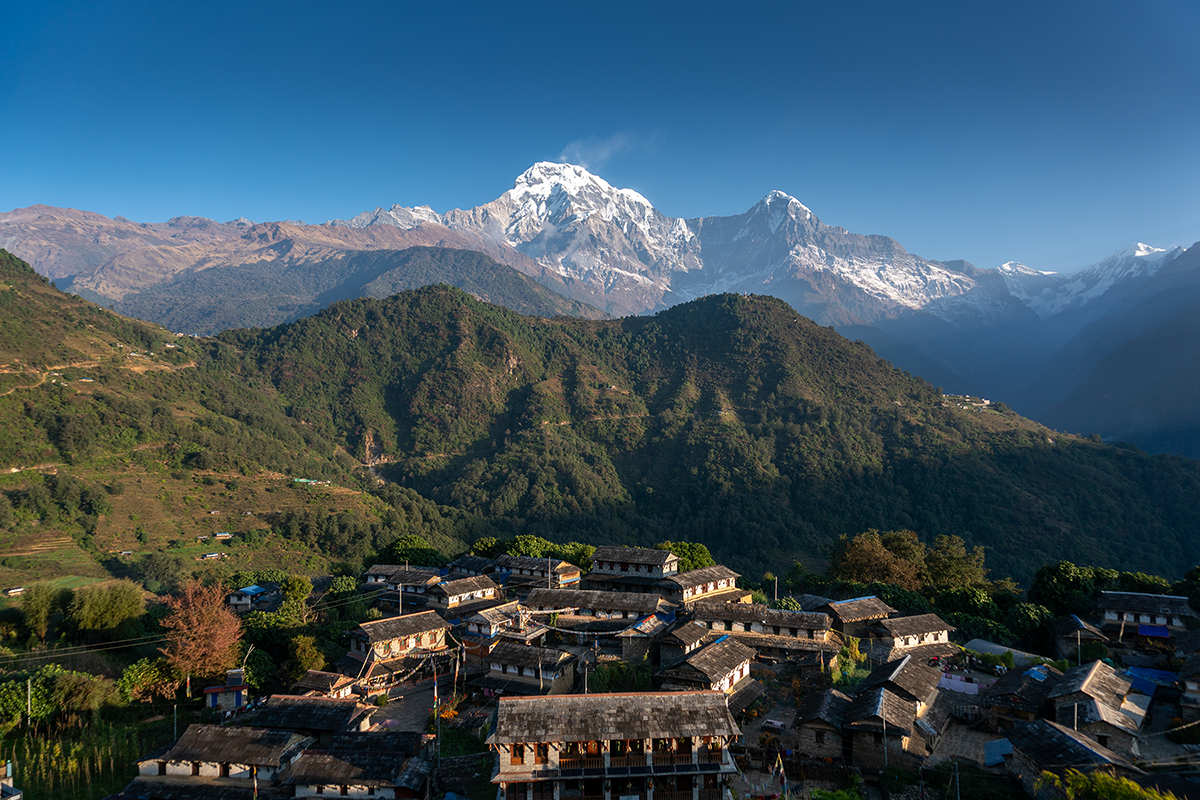
Nepal, home to the majestic Himalayas, offers breathtaking trekking routes, rich cultural experiences, and diverse landscapes. However, choosing the right time to visit is crucial for an enjoyable trip. The country experiences four distinct seasons—spring, autumn, winter, and monsoon—each offering unique advantages for trekkers and travelers. Whether you seek vibrant rhododendron forests, clear mountain views, festive celebrations, or peaceful trails, this guide will help you decide the best time for your Nepalese adventure.
1. Spring (March to May) – The Season of Blooms and Ideal Trekking Conditions
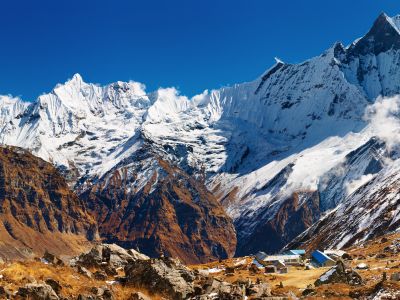
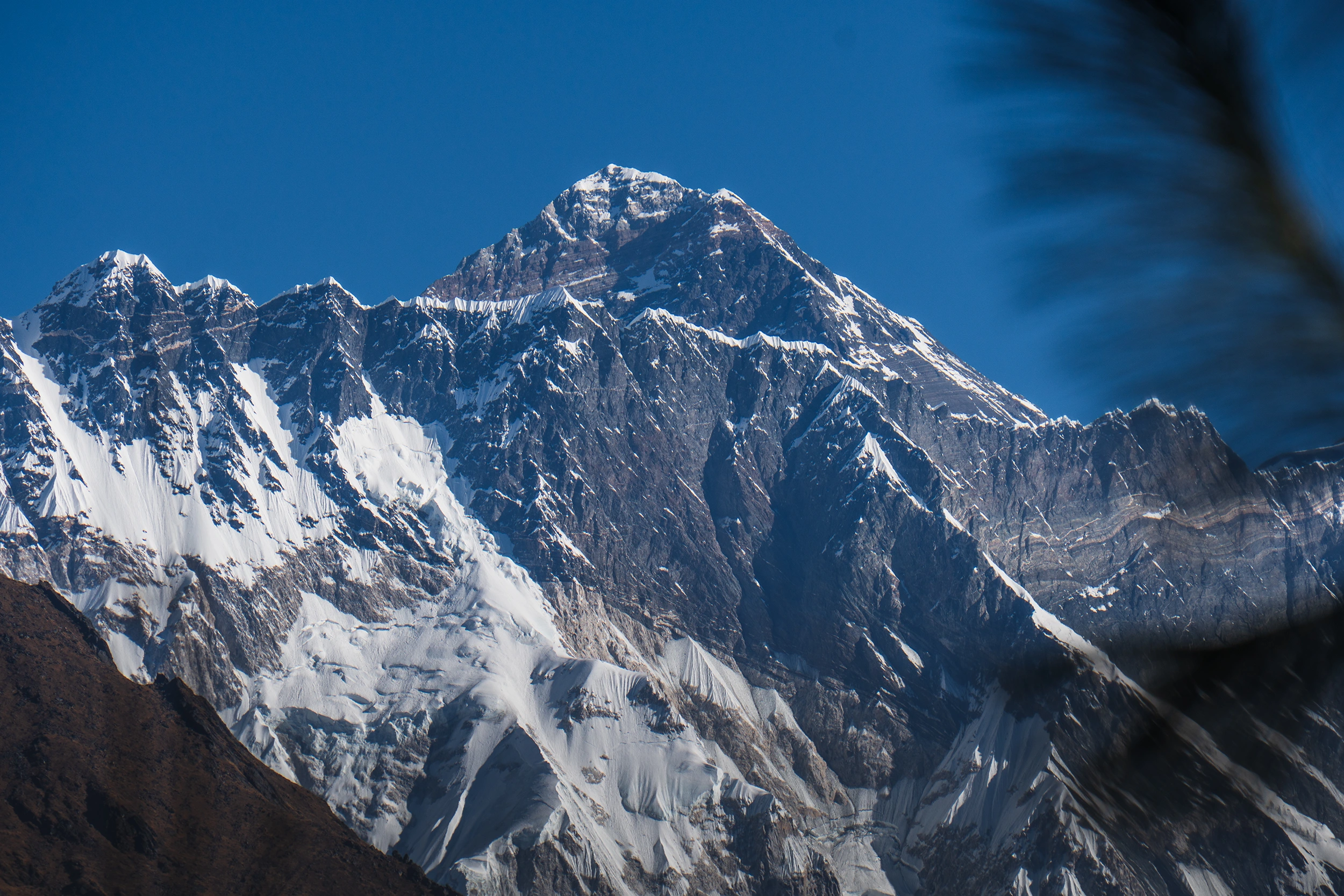
Spring is widely regarded as one of the best times to visit Nepal, especially for trekking. The weather is pleasantly mild, with daytime temperatures ranging from 10°C to 25°C in most regions, making it comfortable for long hikes. The trails come alive with lush greenery and vibrant rhododendron flowers, Nepal’s national flower, which blanket the hillsides in shades of red, pink, and white. This season also provides excellent visibility, with minimal rainfall and clear skies offering uninterrupted views of the snow-capped Himalayas.
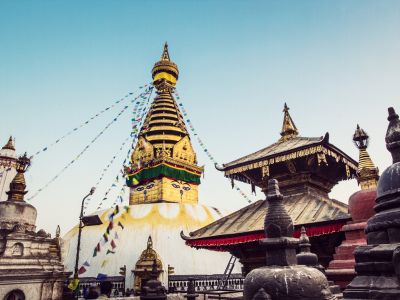
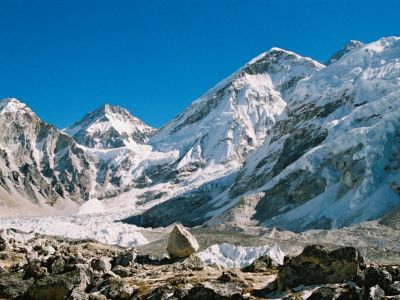
Popular trekking routes such as the Everest Base Camp Trek, Annapurna Circuit, and Langtang Valley Trek are at their best during spring. These trails are bustling with trekkers, yet the atmosphere remains energetic rather than overcrowded. Beyond trekking, spring is also ideal for cultural sightseeing in Kathmandu and Pokhara, where the pleasant weather enhances exploration of ancient temples, bustling markets, and serene lakes. Wildlife enthusiasts can also visit Chitwan or Bardia National Parks, where the moderate climate increases chances of spotting exotic animals.
2. Autumn (September to November) – Perfect Weather and Festive Vibes
Autumn is another peak season for trekking in Nepal, favored for its stable weather, crisp air, and spectacular mountain visibility. The monsoon rains have cleared the dust from the atmosphere, leaving behind crystal-clear views of the Himalayas. Daytime temperatures are comfortable (15°C to 20°C in lower regions), while nights are cooler, especially at higher altitudes. This season also coincides with Nepal’s biggest festivals—Dashain and Tihar—where streets come alive with colorful decorations, religious ceremonies, and cultural performances.
Trekkers flock to iconic routes like the Manaslu Circuit Trek, Upper Mustang Trek, and Poon Hill Trek, all of which offer breathtaking scenery and well-defined trails. The Everest and Annapurna regions are particularly popular, so booking accommodations in advance is advisable. For those seeking a mix of adventure and culture, autumn is perfect for combining high-altitude treks with visits to heritage sites in Kathmandu Valley or wildlife safaris in the Terai lowlands.
3. Winter (December to February) – Peaceful Trails and Snowy Landscapes
Winter in Nepal brings colder temperatures, especially in the high mountains, where snowfall can make some routes challenging or inaccessible. However, lower-altitude treks (below 3,000 meters) remain enjoyable, offering peaceful trails without the crowds. Daytime temperatures in regions like Pokhara, Nagarkot, and Dhampus range from 10°C to 15°C, while nights can drop below freezing. For those who enjoy crisp mountain air and snow-dusted landscapes, winter can be a magical time to visit.
Treks such as the Ghorepani Poon Hill Trek and Lower Everest View Trek are still feasible with proper gear, while destinations like Pokhara and Chitwan provide pleasant alternatives for relaxation and wildlife spotting. The clear winter skies also offer some of the best sunrise views over the Himalayas from viewpoints like Nagarkot and Sarangkot. Additionally, winter travelers benefit from lower prices on flights, accommodations, and trekking permits, making it a budget-friendly option.
4. Monsoon (June to August) – Lush Greenery and Rain-Shadow Treks
Monsoon season brings heavy rainfall to most of Nepal, making trekking difficult due to slippery trails, leeches, and frequent flight delays. However, the rain-shadow regions of Upper Mustang and Dolpo, located beyond the Himalayas, remain dry and accessible. These areas, influenced by Tibetan climate patterns, offer a unique desert-like landscape and rich cultural experiences with ancient monasteries and traditional villages.
While mainstream treks like Everest and Annapurna are not recommended during monsoon, this season transforms Nepal’s hills into a lush, green paradise. Travelers who prefer cultural exploration can visit Kathmandu’s UNESCO World Heritage Sites, enjoy the quieter streets, or take short hikes in the Kathmandu Valley. The Terai region, including Chitwan and Lumbini, also remains accessible, with fewer tourists and vibrant post-rain scenery.
Conclusion
The best time to visit Nepal depends on your travel preferences and the experiences you seek. Spring (March to May) and autumn (September to November) are the most popular seasons, offering ideal trekking conditions, vibrant festivals, and stunning mountain views. Winter (December to February) provides solitude and snowy landscapes for those who don’t mind the cold, while monsoon (June to August) is best for exploring rain-shadow regions or cultural sites. No matter when you visit, Nepal’s diverse beauty ensures an unforgettable adventure. For personalized trekking recommendations and expert guidance, The Himalayan Elite can help you plan the perfect journey through the heart of the Himalayas.