
Best Trekking Trails in Nepal – From Iconic Routes to Hidden Gems
Few places on Earth are as synonymous with trekking as Nepal, the undisputed hiking capital of Asia. From the legendary Everest Base Camp Trek to remote adventures through arid valleys, glacial lakes, and ancient Buddhist villages, Nepal offers treks for every traveler — whether you’re seeking a gentle hike or a life-changing expedition.
This small Himalayan nation is a natural playground for high-altitude adventures. Thanks to its excellent infrastructure of teahouses, guides, and trekking agencies, you can arrive in Kathmandu, arrange permits and gear, and be on the trails within 24 hours of landing at Tribhuvan International Airport.
Most treks pass through national parks or conservation areas, but permits are inexpensive and easy to obtain. For popular trails, cozy teahouses and trekking lodges line the routes, while more remote trails near the Tibetan border require fully organized expeditions through licensed agencies.
Whether you’re short on time and want a scenic day hike, or you’re ready for a multi-week adventure across some of the world’s highest passes, Nepal has it all. Below is our pick of the 10 best trekking routes in Nepal.
1. Everest Basecamp Trek – Best for Iconic Mountain Views
Distance: 130km (80 miles) | Duration: 14–20 days | Difficulty: Hard
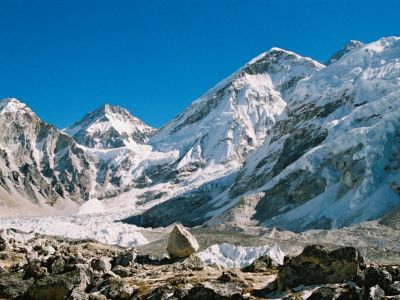
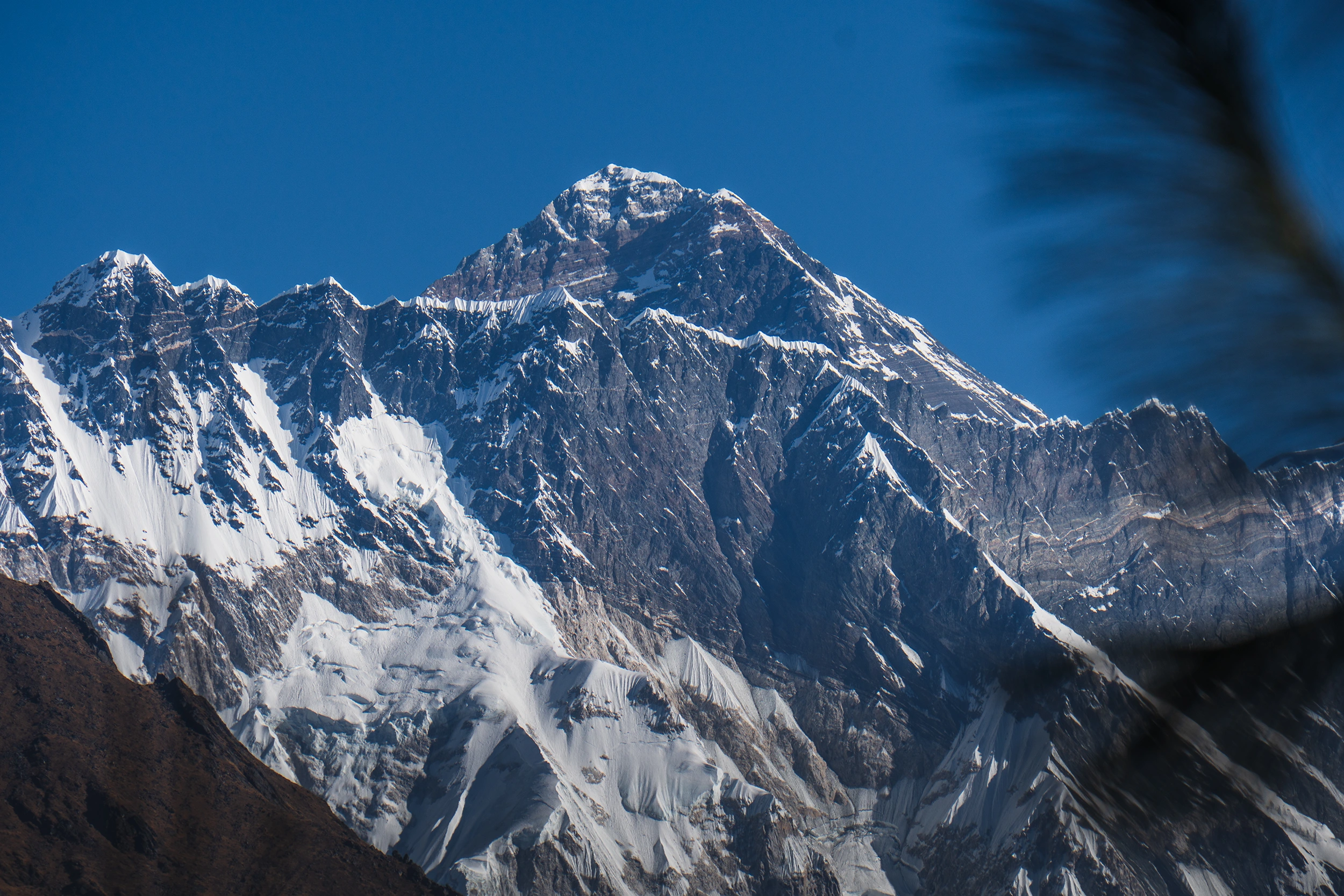
The Everest basecamp trek (EBC) is Nepal’s most famous trek — and perhaps the most iconic in the world. Starting with a thrilling flight into Lukla, this high-altitude journey winds through the Sherpa villages of the Solukhumbu region, leading to the foot of Mt. Everest (8,848m).
Trekkers are rewarded with jaw-dropping panoramas of Everest, Lhotse, Nuptse, and Ama Dablam, along with deep insights into Sherpa culture. Lodges are plentiful, but the trail can be crowded during the October–November high season.
Looking for something quieter? Consider side routes like the Gokyo Lakes Trek or the Three Passes Trek for equally stunning views with fewer people.
2. Annapurna Circuit – Best for Diverse Scenery
Distance: 160–230km (100–143 miles) | Duration: 10–17 days | Difficulty: Hard
A trekking classic, the Annapurna Circuit offers unmatched diversity. Expect lush valleys, roaring rivers, glacial lakes, high mountain passes, and traditional villages of the Gurung, Manangi, and Thakali people.
The highlight is Thorung La Pass (5,416m), which takes you from verdant hills into the stark landscapes of the Trans-Himalayan plateau. Extensions to Nar & Phu villages add extra cultural depth.
Note: road construction has shortened some sections, but the trek remains one of Nepal’s most rewarding journeys.
3. Manaslu Circuit – Best Alternative to Famous Trails
Distance: ~180km (112 miles) | Duration: 16 days | Difficulty: Hard
For trekkers seeking a quieter alternative to the busy Annapurna and Everest regions, the Manaslu Circuit is an outstanding choice. Circling Mt. Manaslu (8,163m), the world’s eighth-highest peak, this trek offers everything: suspension bridges, subtropical forests, alpine passes, and remote mountain villages.
It’s a challenging but authentic adventure that feels less commercialized, yet still supported by teahouses along the way.
4. Annapurna Sanctuary (ABC Trek) – Best for Close-Up Peaks
Distance: ~115km (71 miles) | Duration: 10–14 days | Difficulty: Moderate–Hard
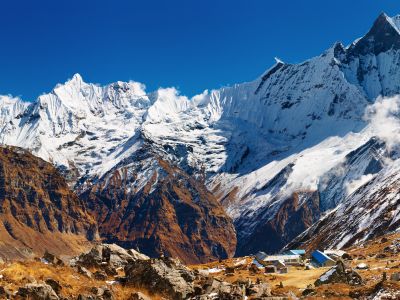
The Annapurna Sanctuary, also known as the Annapurna Base Camp (ABC) Trek, takes you into a spectacular natural amphitheater surrounded by snow-capped giants, including Annapurna I (8,091m).
You’ll trek through Gurung villages, terraced fields, rhododendron forests, and natural hot springs. While popular, the scenery is unforgettable — especially in winter, when the basin is blanketed in snow.
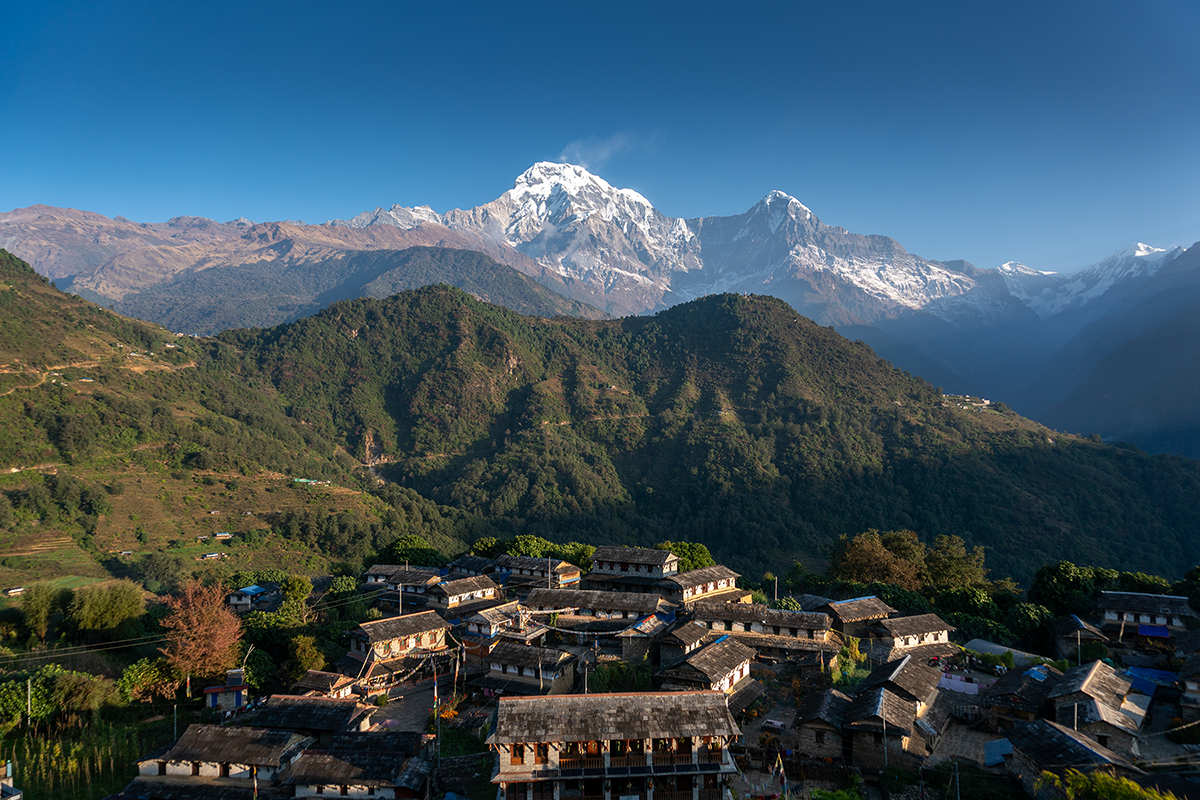
5. Ghandruk Loop – Best Short Trek
Distance: 25km (15 miles) | Duration: 3 days | Difficulty: Easy
Perfect for beginners or time-pressed travelers, the Ghandruk Loop starts from Pokhara and leads through rice terraces, blooming rhododendron forests, and charming Gurung villages.
Despite being short, the trek offers magnificent views of Machapuchare (Fishtail Mountain) and the Annapurna range. Thanks to its low altitude, it’s suitable year-round.
6. Langtang Valley Trek – Best One-Week Trek
Distance: 65–80km (40–50 miles) | Duration: 7–8 days | Difficulty: Moderate
Just a day’s drive from Kathmandu, the Langtang Valley trek packs incredible variety into a week: bamboo forests, alpine meadows, roaring rivers, and sweeping Himalayan views.
The trek begins at Syabrubesi and can be extended to the sacred Gosainkunda Lakes (4,400m). This is also one of Nepal’s most eco-friendly options, as it avoids domestic flights.
7. Tamang Heritage Trail – Best for Cultural Immersion
Distance: 55km (34 miles) | Duration: 6 days | Difficulty: Moderate
The Tamang Heritage Trail combines Himalayan landscapes with rich cultural encounters. Winding through traditional Tamang villages near the Tibetan border, this trek offers homestays, Buddhist monasteries, and a chance to experience life in remote Nepal.
It’s less about altitude and more about authentic connections — perfect for trekkers seeking cultural depth.
8. Kanchenjunga Base Camp – Best for Wilderness Adventure
Distance: ~220km (137 miles) | Duration: 14–28 days | Difficulty: Hard
Far off the beaten path, the Kanchenjunga Base Camp Trek explores Nepal’s eastern frontier near India. Few trekkers venture here, making it a true wilderness experience.
You’ll traverse remote valleys, dense forests, and high mountain passes before arriving at the base camps of Kanchenjunga (8,586m), the world’s third-highest peak. This trek requires camping or rustic teahouses and must be organized through a registered agency.
9. Great Himalayan Trail – Best for the Ultimate Challenge
Distance: 2,500km (1,553 miles) | Duration: 50–160 days | Difficulty: Very Hard
The Great Himalayan Trail (GHT) is the pinnacle of long-distance trekking. Stretching across Nepal from east to west, it links multiple regions and remote villages, spreading tourism benefits far beyond the classic trails.
Completing the GHT is a logistical and physical feat, requiring multiple permits, high fitness, and serious commitment — but it offers the adventure of a lifetime.
10. Nagarkot to Dhulikhel – Best Day Hike Near Kathmandu
Distance: 20km (12 miles) | Duration: 1 day | Difficulty: Easy
For those short on time, the Nagarkot to Dhulikhel hike is the perfect day trek. Just outside Kathmandu, this ridgeline trail connects the sunrise viewpoint of Nagarkot with the historic Newari town of Dhulikhel, both offering stunning Himalayan panoramas.
The route can be extended to include Panauti (one of Nepal’s oldest towns) or Namobuddha Monastery. No permits are required, and the trek can be done independently or with a guide.
Essential Trekking Tips for Nepal
What to Pack?
- Sturdy, broken-in trekking boots
- Warm layers, windproof and waterproof jacket
- Down jacket and warm hat for cold nights
- Sleeping bag (for teahouse or camping treks)
- Portable power bank & spare camera memory cards
- Water purification tablets or filter
- Trekking poles (optional, but useful)
Best Time to Trek?
- Autumn (Oct–Nov): Clear skies, mild nights, peak season
- Spring (Mar–May): Warmer, colorful landscapes, but hazier views
- Winter (Dec–Feb): Possible, but very cold at altitude
- Monsoon (Jun–Sep): Wet, cloudy, and leech-prone — best avoided
Health & Safety
- Altitude Sickness (AMS): Can occur above 2,500m. Ascend gradually, take rest days, and descend if symptoms worsen.
- Prepare with hikes at home to build stamina.
- Acetazolamide can help prevent mild AMS symptoms.
Responsible Trekking
- Avoid bottled water — use filters or tablets.
- Stick to marked trails to reduce erosion.
- Support eco-friendly teahouses using solar or gas.
- Spread tourism benefits by visiting lesser-known villages.
Ready to Trek Nepal?
From the legendary Everest Base Camp to the hidden valleys of Kanchenjunga, Nepal offers some of the world’s most rewarding trekking experiences. Whether you want a day hike, a week-long adventure, or a multi-week epic, our team can help you plan the perfect trek, arrange permits, guides, and logistics — so you can focus on the journey itself.