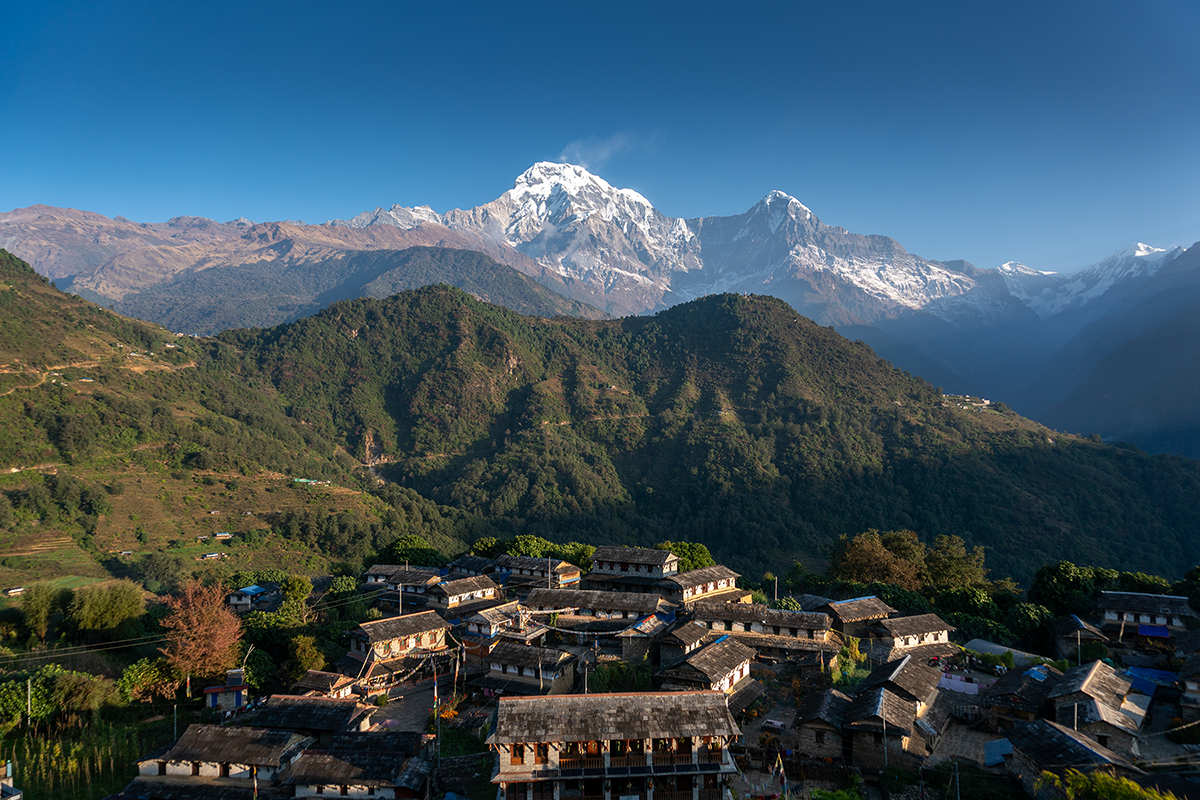

Mount Everest: The Ultimate Guide to the World's Highest Peak
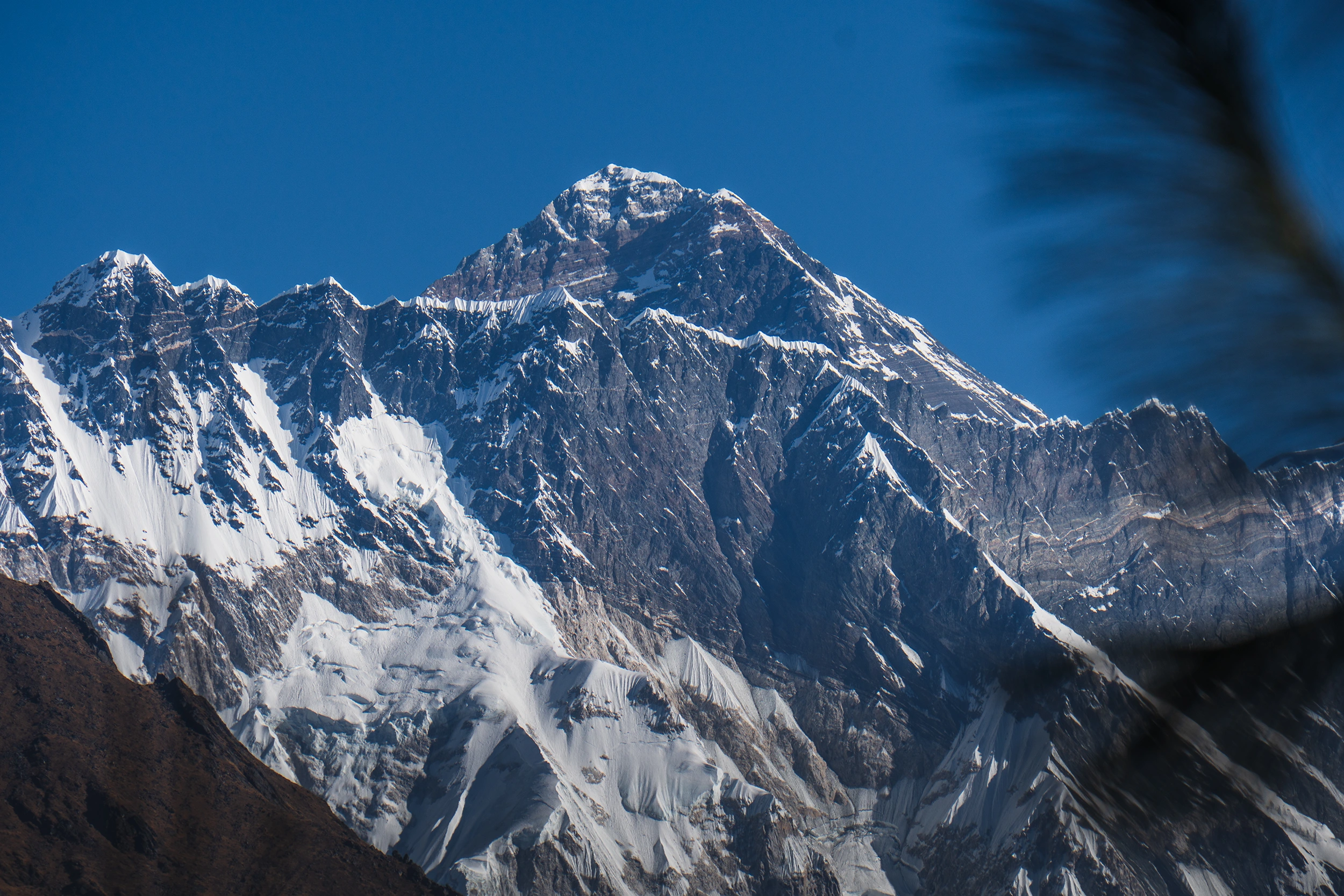
Mount Everest isn't just a mountain; it's a legend. Standing at the breathtaking height of 8,848.86 meters (29,031.7 feet), it represents the ultimate frontier of human adventure and natural wonder. This guide provides a complete overview of Everest, from its precise location and history to the challenges of climbing it.
1. Where is Mount Everest Located?
A common question is, "Which country is Mount Everest in?" The answer is that it sits directly on the border between Nepal and the Tibet Autonomous Region of China.
- In Nepal: The mountain is known as Sagarmatha (meaning "Goddess of the Sky") and is located within the Solukhumbu District and the Sagarmatha National Park, a UNESCO World Heritage Site.
- In Tibet (China): It is known as Chomolungma (meaning "Goddess Mother of the World") and is part of Tingri County.
The summit itself is the international border point. The most popular and accessible route to the base camp is from the Nepalese side.
Professional Location Map:
[IMAGE: A clear, professional map highlighting Asia, with an inset focusing on the Nepal-China border. The map should clearly mark Mount Everest's location, indicate the two main climbing routes (from Nepal and Tibet), and label key geographical features like the Mahalangur Himal range, Sagarmatha National Park, and Tingri County.
3. Historical and Cultural Significance
- Naming: The mountain was named "Everest" in 1865 after Sir George Everest, a British surveyor-general of India. However, its local names, Sagarmatha and Chomolungma, hold deep spiritual meaning for the indigenous Sherpa and Tibetan communities.
- First Ascent: The first confirmed summit was achieved on May 29, 1953, by Sir Edmund Hillary of New Zealand and Tenzing Norgay, a Sherpa of Nepal.
- Spiritual Importance: The mountain is considered sacred. Many climbers participate in a puja ceremony before their ascent to ask the mountain for safe passage.
4. Geological Formation and Features
Everest is a young mountain in geological terms, formed by the tectonic collision of the Indian and Eurasian plates. It is still rising about 4 mm per year.
- Rock Composition: It is composed of sedimentary and metamorphic rock, including limestone, shale, and marble.
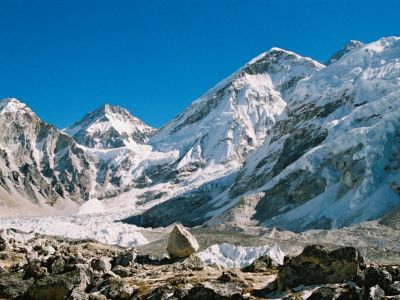
- Key Features: The mountain is famous for its challenging features like the treacherous Khumbu Icefall on the South side and the North Col on the Tibetan side.
5. Climbing Routes and Challenges
There are two main climbing routes:
- South Col Route (Nepal): This is the most popular route. It starts from the Everest Base Camp in Nepal, goes through the Khumbu Icefall, up the Western Cwm, to the South Col, and finally to the summit.
- North Col Route (Tibet): This route begins in Tibet and ascends via the North Col and the northeast ridge. It is generally considered more remote and windier.
Major Challenges of Climbing:
- Altitude Sickness: The "Death Zone" above 8,000 meters has critically low oxygen levels.
- Extreme Weather: Brutal cold, hurricane-force winds, and sudden storms.
- Physical Hazards: Avalanches, crevasses, and icefalls.
- Overcrowding: Traffic jams near the summit can be deadly, causing delays and depleting oxygen supplies.
- Cost: A climbing permit alone costs $11,000 (increasing to $15,000 in 2025) and a full expedition can exceed $70,000.
Tragically, over 300 people have died on Everest, and it is estimated that around 200 bodies remain on the mountain, as recovery in the Death Zone is extremely dangerous.
6. Trekking and Non-Climbing Adventures
You don't have to climb Everest to experience its majesty. The Everest Base Camp (EBC) Trek in Nepal is a world-renowned journey that takes trekkers through Sherpa villages, ancient monasteries, and stunning landscapes to the foot of the mountain. Viewpoints like Kala Patthar offer the most iconic sunrise views of Everest.
7. Environmental and Conservation Efforts
The high number of climbers has led to significant pollution. Today, there are strict rules:
- Clean-Up Efforts: Nepal now requires climbers to bring back 8 kg of waste or forfeit a $4,000 deposit.
- Sustainable Practices: Expedition companies are increasingly focused on "leave no trace" principles.
- Regulations: The recent permit fee increase aims to manage crowds and fund conservation projects.
Conclusion
Mount Everest endures as the planet's most iconic peak—a symbol of incredible challenge, profound beauty, and cultural depth. Whether you are an aspiring climber, an avid trekker, or an armchair adventurer, Everest continues to capture the world's imagination, reminding us of both the power of nature and the spirit of human exploration.